Keeping your blood vessels healthy is one of the most important steps you can take to live a long, healthy life. Along with eating a balanced diet and staying active, it’s important to seek professional medical care when you notice any abnormal cardiovascular symptoms. Doing so can make treating your condition easier and more effective, …
When your blood vessels aren’t healthy, your overall well-being is put into jeopardy. In fact, many vein and artery conditions can lead to life-threatening complications, such as an aortic aneurysm. The good news is that there are steps you can take to protect the health of your veins and arteries as well as treat them …
Being diagnosed with a blood clot can be a scary experience. While some blood clots are a normal part of your bodily function and will resolve on their own, others are more serious and can even become fatal if left untreated. If you’ve been diagnosed with a DVT (deep vein thrombosis), you may be wondering …
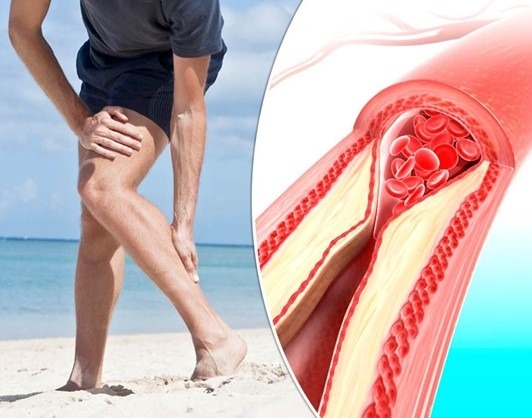
What does claudication feel like and what are the most common causes? When your arteries are not healthy, your overall quality of life can be affected. Having poor circulation or damaged blood vessels can make it harder to perform normal daily activities, such as walking. If you experience pain or discomfort whenever you walk or …
Authored by Jonathan Staheli, KCU-OMS III Popliteal Artery Aneurysms: Clinical Presentation and Management Popliteal artery aneurysm (PAA) is the dilation and thinning of the popliteal artery which can occur at any point in the posterior distal thigh or knee. The ballooning of the artery can occur through a variety of etiologies – consider concurrent cardiovascular …
Authored by Savanna Rosenbaum – OMS III What is a Carotid Body Tumor? A carotid body tumor is a growth in your neck located next to the carotid artery, which is the vessel that carries blood to parts of your brain and face. This type of tumor is also known as a paraganglioma or chemodectoma. …
PAD vs PVD – Differences Explained Maintaining a strong vascular system is an important part of living a long healthy life. If you’re diagnosed with a disease that affects your vessels (veins & arteries) organs including your heart and lungs can be affect. Even your legs and feet can feel the effects of an unhealthy …
8 Foods For Clearing Your Arteries and Veins Your arteries and veins have a critically important job: bringing nutrient and oxygen-rich blood to and from your heart and other organs and tissues of your body. Because of this, keeping your arteries and veins healthy should be a top priority. Unfortunately, clogged arteries are all too …
8 Option for Vascular Surgery At the Vascular Institute of the Rockies, helping you improve your vascular health in order to live a better life is always our top priority. With this in mind, we are proud to offer a variety of vascular surgery options to meet your unique vascular needs. These include: 1. Angioplasty …
By Scott Smith, OMS III Restless Leg Syndrome Explained DefinitionRestless leg syndrome (RLS) is a common sleep-related movement disorder marked by an uncomfortable urge to move the legs that occurs during periods of inactivity, especially in the evenings, and is transiently relieved by movement. CausesAlthough the pathophysiologic basis has yet to be fully understood, there …
By Jacob McCleerey, OMS III and Bryan Kramer, MD CAS Explained Carotid Artery Stenosis, also called carotid artery disease, is a narrowing of one or both of the blood vessels that run on both sides of the neck and delivers blood to the head and brain. Stenosis, or narrowing, of this vessel deprives the head …
By Kara Heer Why Do My Veins Stick Out More Than Other People’s? Everyone has seen a vein become more apparent at one time or another, particularly after a strenuous exercise or after having blood drawn at the doctor’s office. But what about veins that seem to bulge out continuously, even when you aren’t exercising …
By Kara Heer What Is Deep Vein Thrombosis? Deep vein thrombosis (DVT) occurs when a blood clot develops in one or more of the deep veins in your body, most commonly in your legs. DVT can occur for many reasons, but most commonly affects individuals who have been sitting for extended periods of time, such …
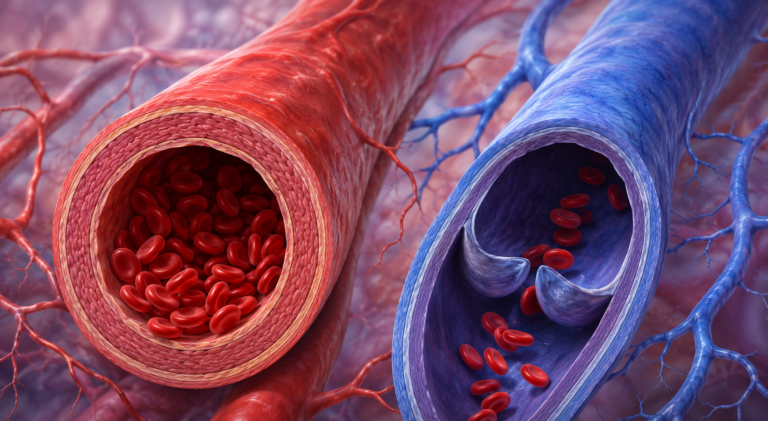
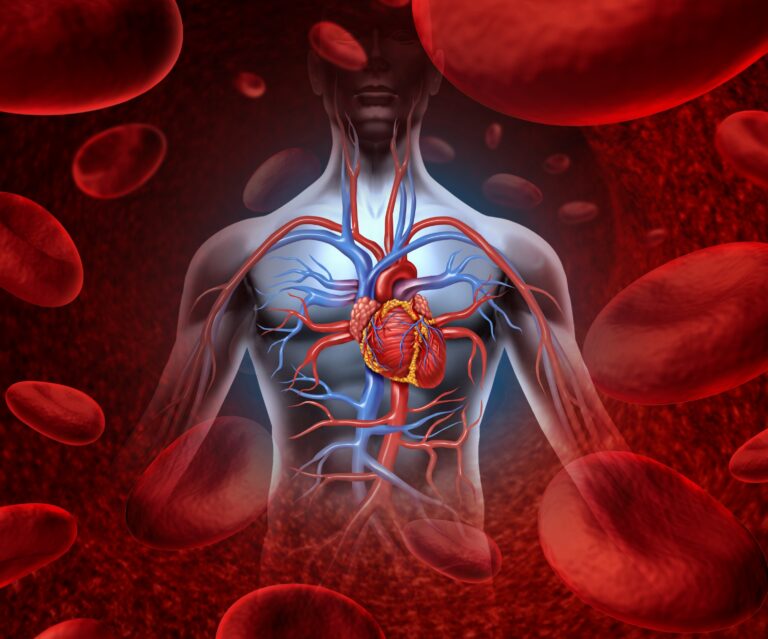
By Kara Heer Artery vs. Vein – What’s the Difference Between Them? The blood vessels in our bodies that make up the cardiovascular system are veins, arteries and arterioles. Arteries are blood vessels that carry oxygen in the blood away from the heart to other parts of the body such as the brain, organs, …
Vein Health: 5 Exercises for 65+ It’s no secret that as people age, they’re more likely to develop varicose veins in their legs and feet. That’s why eating a balanced diet, avoiding tobacco, and breaking up long periods of sitting are so important, especially if you’re over 65. While varicose veins cannot be prevented entirely, …
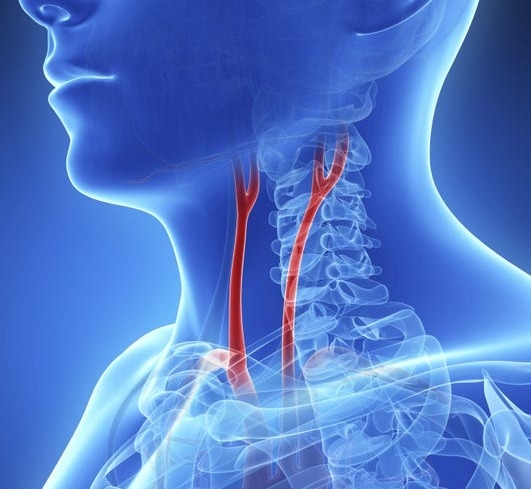
By Kara Heer What are your carotid arteries and what do they do? Your carotid arteries are the major blood vessels that deliver blood to your brain. One carotid artery is located on each side of your neck. When your doctor puts their hands on your neck to detect a pulse, they’re feeling one of …
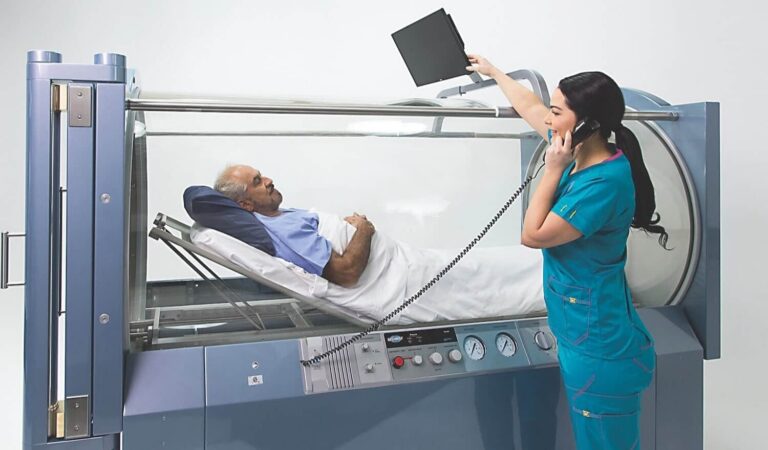
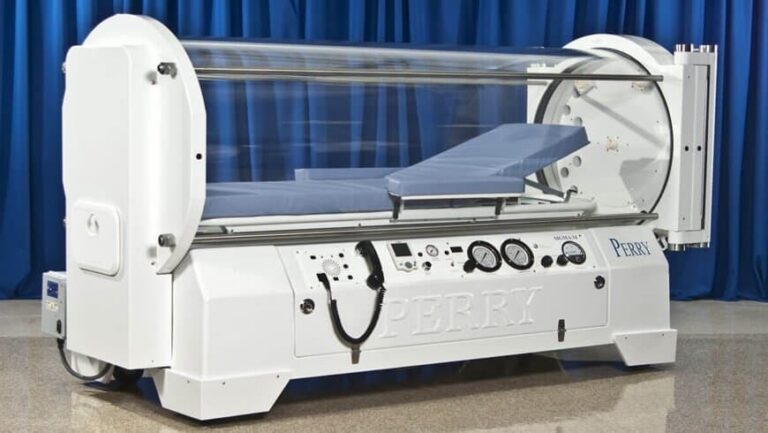
By Kara Heer What is Hyperbaric Oxygen Therapy and How it Helps Heal Wounds Hyperbaric oxygen (HBO) therapy involves treating patients with 100% oxygen (O2) at elevated atmospheric pressures in a specially designed chamber. The chambers are about 3 feet in diameter and 8 feet long, so they are big enough for people to enter …
What is Thoracic Outlet Syndrome? Thoracic Outlet Syndrome (TOS) refers to disorders that take place when injury, irritation, or compression affect the nerves and/or blood vessels (veins and arteries) in the area of the lower neck and upper chest area. It gets its name from the Thoracic Outlet that is located between the lower neck …
When it comes to living a healthy life for years to come, taking care of your heart matters. After all, in the U.S. alone, more than 30 million people have heart disease, making it the leading cause of death for both men and women. Fortunately, with a few simple steps, you can keep your arteries …
Authored by: Erika Bynon Peripheral Arterial Disease, or PAD, is serious chronic disease that occurs as a result of plaque build-up or narrowing arteries, typically in the legs and arms. Plaque build-up occurs due to atherosclerosis or hardening of the arteries from high cholesterol or scar build up over the years. PAD is a systemic …
Varicose veins are quite common in legs and feet and often present as blue, rope-like vessels under the skin. Typically caused by reflux from valves not working properly, this reversal or pooling of blood is often painful for patients leading to heaviness, fatigue, swelling, cramping, pain, itching and burning. According to the American Society for …
Signs and symptoms commonly associated with pelvic venous disorders: Pelvic pain and heaviness Pain around the time of menses Backache Depression Fatigue Unusual varicose veins around the vulva, buttocks and in between the legs Swelling of the labia Tenderness of the abdomen Burning pelvic pain Pelvic floor spasm Hip pain Feeling of fullness in the …
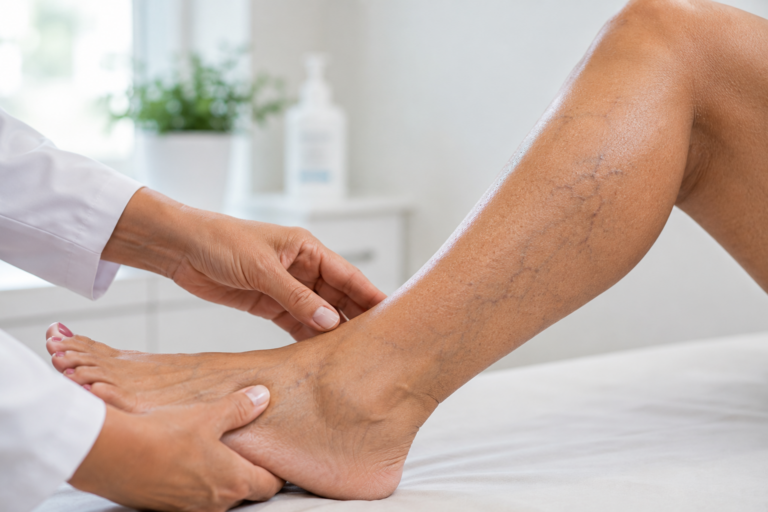
Varicose veins are abnormally enlarged blood vessels due to faulty valves in your veins. While this is not a serious condition, many people find varicose veins uncomfortable and not aesthetically pleasing to look at. Veins normally have one-way valves that prevent blood from flowing backwards. When these become faulty this results in blood flowing backwards …
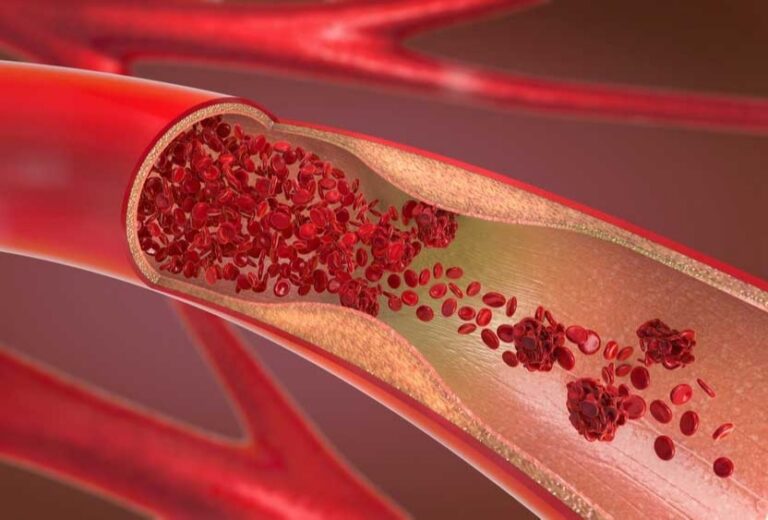
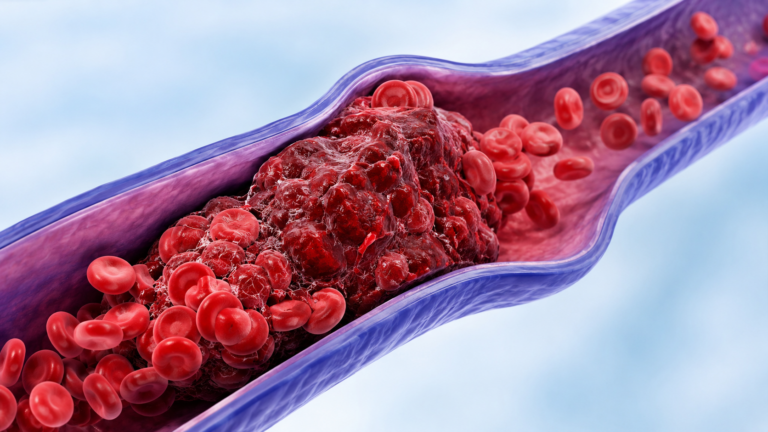
If you are injured and bleeding, your blood will naturally form clots in an effort to stop the bleeding. While the clotting process is critical in this instance, sometimes you can also form clots inside your veins or arteries, which can be dangerous, and even life-threatening. A blood clot that forms in a vein or …
With more than 40 million people suffering from the pain and embarrassment that comes from living with varicose veins, you may be wondering: can anything be done to manage these negative effects at home, or is professional intervention the only solution for varicose veins? Fortunately, the knowledgeable team at Vascular Institute can help. Here’s what …
Varicose veins are quite common and often lead to pain, embarrassment and possibly further health issues. According to the American Society for Vascular Surgery, 20-25 million Americans have varicose veins. Varicose veins often present as blue, rope-like vessels under the skin usually in the legs and feet. Varicose veins are often painful and unsightly. Usually …
Authored by: Suyuan Tan, MS III Have you ever had blood pressure that is high no matter how much you watch your health? Not only that, but you sometimes you get this annoying, pulsatile headache that just won’t go away. Your symptoms may be indicative of fibromuscular dysplasia, a vascular disorder that affects over 9% …
Authored by: Garett Braeburn, OMS III Similar to previous strains of coronavirus (SARS, MERS), research suggests that COVID-19 can cause serious vascular complications. The most common vascular issues include deep vein thrombosis (DVT), pulmonary emboli and acute limb ischemia (ALI). Exactly how COVID-19 causes these complications is not well understood; however, all of these conditions are associated with …
What is Carotid Atherosclerosis? The carotid arteries are a pair of blood vessels located on both sides of your neck that supply oxygenated blood to your brain and head. Over time, buildup of fatty substances and cholesterol create plaques that can narrow the carotid arteries. This reduces the blood flow to your brain and increases …
Photo of Mesenteric Ischemia obtained from The Mayo Clinic Authored by: Zuyuan (Milly) Huang, MSIV and Bryan Kramer, MD What is Mesenteric Ischemia (Ischemic Bowel Disease)? Mesenteric arteries supply blood to your small and large intestines. Ischemia is when the blood flow is restricted or reduced to a part of the body. In mesenteric ischemia, …
Authored by: Leah Lieber, OMS III and Bryan Kramer, MD Compression Stockings for the Treatment of Chronic Venous Insufficiency Overview & Indications Compression stockings are widely used to improve symptoms for patients with Chronic venous insufficiency (CVI). Patients with CVI have lower extremity vein abnormalities that lead to venous dilation. Common symptoms include varicose veins …
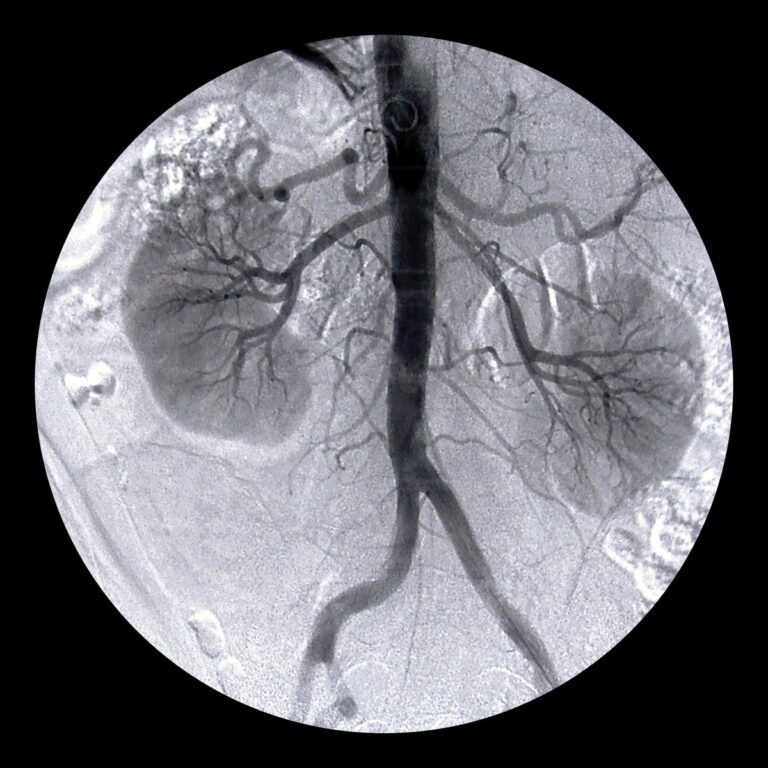
Authored by: Emily Gudvangen Sherwood, OMS III and Bryan Kramer, MD What is renal artery stenosis? Renal artery stenosis refers to narrowing of the renal arteries, which are the arteries leading to the kidneys. This narrowing usually occurs due to a buildup of atherosclerotic plaque. The plaque buildup can affect the blood flow reaching the …
What is Endovascular Aneurysm Repair (EVAR)? Endovascular Aneurysm Repair (EVAR) is a minimally invasive method to repair an abdominal aortic aneurysm (AAA). It is performed by first creating a small incision or puncture in the groin to access the underlying artery. A stent graft is then inserted through the artery to the location of the …
Vascular Surgeon Description: 5-7 years of training after medical school specializing in learning about all aspects of peripheral vascular disease. Vascular Surgeons treat all arteries and veins EXCEPT the ASCENDING AORTA and the HEART, which are the areas of expertise of cardiac surgeons. Vascular Surgeons are the ONLY doctors who are experts in all methods …
Authored by Bryan C. Kramer, MD Rest Pain Rest Pain occurs when the amount of arterial blood flow and oxygen that can be delivered to the tissues is SO MINIMAL, that the muscles and other tissues hurt even when they are not doing anything. This is a critical situation- when you get to this point, …
Authored by Bryan C. Kramer, MD Arteries bring oxygenated blood from the heart to the tissues Veins return blood to the heart Limb Threatening Condition- Leg loss above/below knee if untreated NON-Limb Threatening Condition Typical wounds begin at toes and progress up the foot Wounds of CALF and ANKLE, associated with brown/red/purple skin discoloration and …
Authored by Grace Kim MSIII, Kameron Black MSIII, Rutit Pak MSIII, Andi Garcia MSIII and Bryan C. Kramer, MD Peripheral Artery Disease (PAD) Peripheral artery disease (PAD) is the narrowing and restriction of blood flow to all parts of the body excluding the heart and brain. The mechanism of PAD is similar to coronary artery …
Authored by Bryan C. Kramer, MD Non-Healing Foot Wounds If you have a wound or opening in the skin on your toes or foot, and it does not heal in 4 weeks, you need to see a vascular surgeon immediately. Wounds are usually on toes or the front part of the foot, but can be …
Authored by Bryan C. Kramer, MD Gangrene Gangrene is a scary word, but all it means is “dead tissue” Gangrene can range from a black area on a toe tip that can be present for months without causing any illness (DRY gangrene), to a rapidly spreading area of tissue death due to infection of the …
Authored by Bryan C. Kramer, MD Claudication Muscle pain, cramping, or fatigue that occurs EVERY TIME you walk the same distance- might start at shorter distance if you are going uphill or at faster pace. Usually occurs in the calves, thighs, or buttocks Eventually the pain causes you to stop and rest- after a …
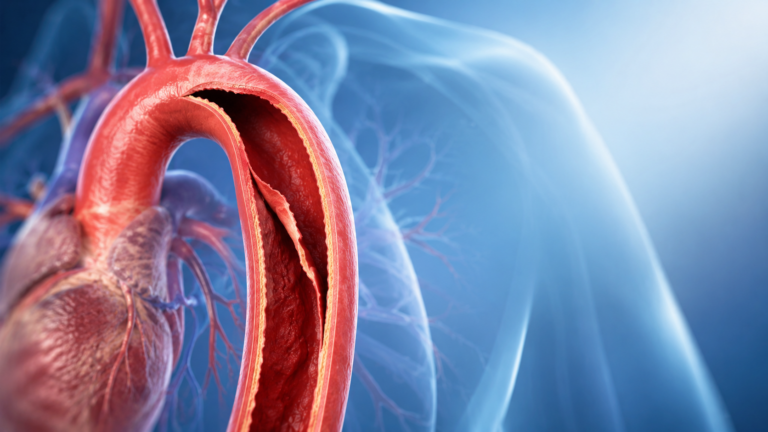
High blood pressure is a well-known medical condition that many people understand is a risk factor for heart attacks, strokes, and diabetes. Unfortunately, high blood pressure is also a risk for lesser known but no less serious conditions. High blood pressure is the most common cause of aortic dissections, a condition whose symptoms can be …
Carotid Endarterectomy is a procedure that is used to remove plaque buildup from the inside of one of the carotid arteries, an artery located on each side of your neck. If you have been diagnosed with carotid disease, these vessels may be narrower as a result of plaque buildup within the walls of the artery. …
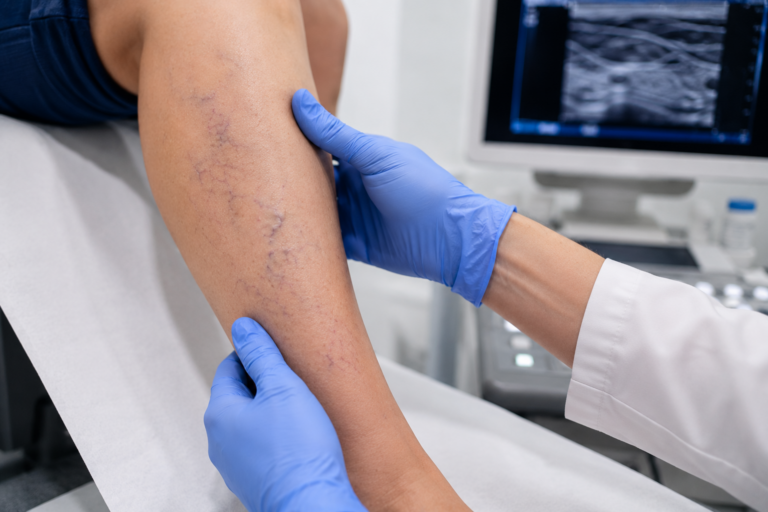
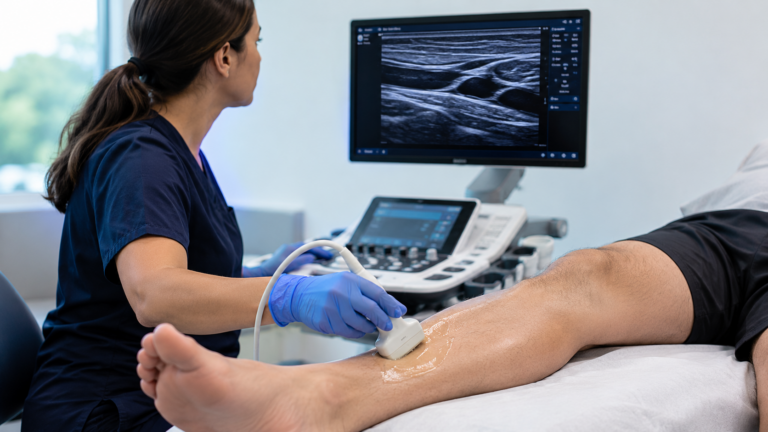
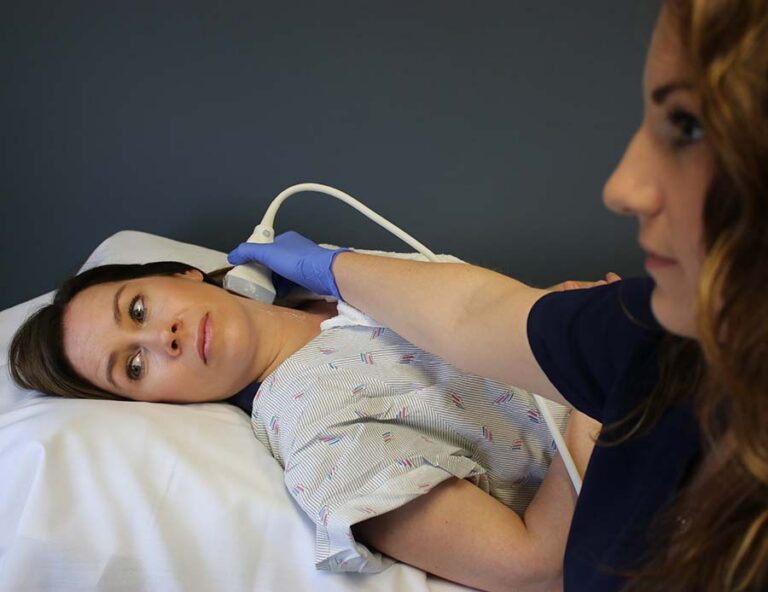
When it comes to monitoring the condition of your veins and arteries, a vascular ultrasound can help. Whether you are showing signs of a vascular concern, have been diagnosed with a disease, or are striving to prevent a vascular illness from occurring in the future, a vascular ultrasound can give your healthcare provider a clear …
When you travel for long periods of time (four hours or more), you are at an increased risk to develop a venous blood clot in one of your legs due to a lack of mobility. The good news is that you don’t have to avoid traveling to protect your cardiovascular health. Check out these simple …
For nearly a century, healthcare providers have informed people of the negative health effects that come from smoking cigarettes. While it is true that the research and education shared with the public over recent decades have encouraged millions of people to stop using tobacco, the CDC estimates that up to 42 million Americans smoke regularly, …
Venous circulation is the part of your blood circulation system that carries oxygen-depleted blood back to the heart. Poor venous circulation causes a variety of unpleasant symptoms, including varicose veins, swelling in the lower extremities, leg pain, and slow healing. If left untreated, it could lead to ulcers and in some cases limb loss. Compression …
The Role of Exercise in Improving Vascular Health Having a healthy vascular system is an important part of living an overall healthy life. Strong blood vessels lead to good circulation which can have a big impact on how you feel physically and how well your body functions. While many factors can affect your vascular health, …
Arteriovenous Fistula: What It Is and How It Is Treated in Vascular Surgery An Arteriovenous Fistula (AVF) is an abnormal connection between a vein and an artery. Typically, veins are connected to arteries by tiny blood vessels called capillaries. The capillaries bring oxygen-rich blood to other tissues around the body as it circulates through the …
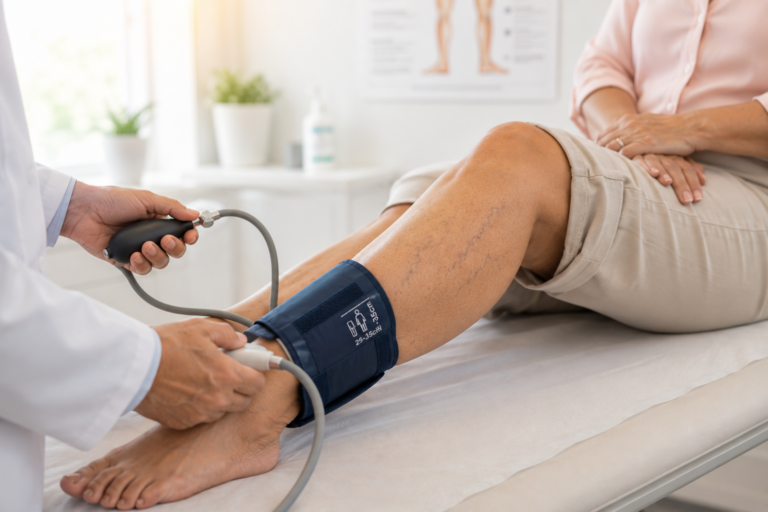
The Link Between Diabetes and Peripheral Arterial Disease Diabetes is a serious health condition that causes a person’s blood sugar to rise because their body does not produce or use insulin properly. Peripheral artery disease (PAD) occurs when the arteries that carry blood away from a person’s heart to other areas of their body become …
Unraveling Lymphedema: Causes, Risk Factors, and Treatment Options Your lymphatic system is responsible for maintenance of fluids throughout your body. When your lymphatic system does not function properly, fluids can accumulate in certain areas of your body causing swelling. Lymphedema occurs when protein-rich fluid that is supposed to be drained by the lymphatic system builds …
Varicocele: Understanding Symptoms, Diagnosis, and Treatment Options Varicocele is a condition that occurs when the veins within the loose pouch of skin that contain the testicles become swollen or enlarged. The veins located inside the testicles are intended to move oxygen-depleted blood back to the heart, however, a varicocele develops when the blood pools in …
Understanding Chronic Venous Insufficiency Chronic Venous Insufficiency (CVI) is a condition that occurs when the veins in your legs return blood to your heart as they should. When this happens, blood can flow backward and lead to pooling in your legs. It’s estimated that CVI affects up to forty percent of people in the U.S. …
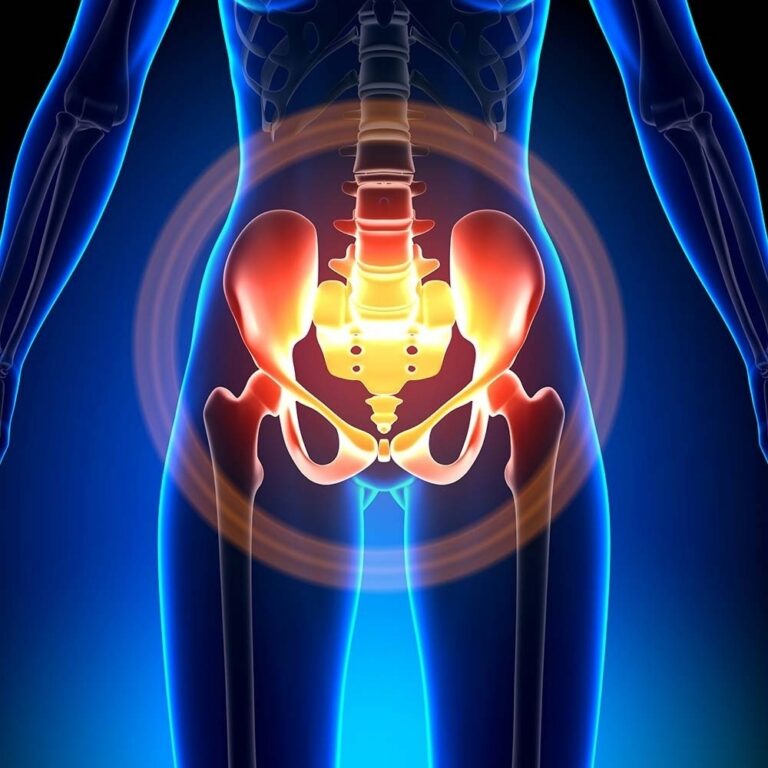
Understanding Pelvic Venous Disorders Pelvic venous congestion is a condition that occurs when the veins in your pelvis do not function properly. The blood that is returning from below your abdomen moves slowly, which causes blood to pool and varicose veins to form. This can lead to uncomfortable symptoms that can negatively impact your quality …
By Bryan Kramer, MD and Taylor Caddell, RVU MSIII What is an abdominal aortic aneurysm (AAA)? An aneurysm refers to an abnormal dilation of an artery. The rest of the AAA name refers to the location of the aneurysm, which in this case is in the abdominal portion of your aorta, which is a large …
Venous Disease Consequences Healthy blood circulation is an essential element to virtually every other normal function your body performs. After all, you can’t breathe, digest food, or even move without blood flowing to your heart. This also means that when problems occur in your veins, your overall health can be compromised. Here’s what you should …
Authored by: Phill Vainer, B.S. Medical Student, KCU Class of 2024 Anesthesia Before Vascular Surgery: Things to Know As with any surgery, a major consideration for patients is whether their bodies can handle anesthesia safely. With vascular surgery, this is just the same. When anesthesiologists evaluate a patient before vascular surgery, the two most important …
What is lymphedema? Lymphedema is edema, or swelling, due to obstruction or destruction of lymphatic vessels or lymph nodes. The lymphatic system functions to return fluids to the heart, allow large molecules like hormones and fats to enter the blood, and participate in detecting and destroying infected and cancerous cells. When there is a disruption …
Renal Artery Stenosis: Can it be Life Threatening? Renal artery stenosis (RAS) occurs when one or more of the arteries that carry blood to your kidneys become narrow. Narrowed arteries make it harder for oxygen-rich blood to travel from your heart to your kidneys. As a result, your kidneys may not be able to properly …
What You Should Know About PAD Maintaining a healthy circulatory system is a critical part of living a long, healthy life. After all, your blood vessels and heart have a direct effect on how the other systems in your body function. Because of this, it is important to address vascular complications as soon as they …

What is May-Thurner Syndrome? Also known as Cockett syndrome or iliac vein compression syndrome is a condition that affects the venous blood flow from your legs. As blood flows through your body, your arteries transfer blood away from your heart while your veins return the blood back to it. May-Thurner syndrome occurs when your right …
What is Mesenteric Ischemia? Mesenteric ischemia is a condition that occurs when blood flow to your intestines is restricted. There are three primary arteries that deliver blood to your intestines known as the mesenteric arteries. When these arteries become blocked or narrowed, your digestive tract may not be supplied with the amount of blood and …
Oxygen plays a vital role in not only keeping you alive but also in helping your body heal when it has been infected or injured. In some cases, having access to extra oxygen can give your body the boost it needs to speed up the healing process and restore its overall health. Fortunately, hyperbaric oxygen …
It is no secret that having good blood circulation is an important part of maintaining good overall health. After all, your body can’t function without the help of oxygen-rich blood flowing through its organs and tissues. But what happens when blood flow to a certain part of your body stops? Here’s what you should know …