Renal Artery Stenosis: Can it be Life Threatening?
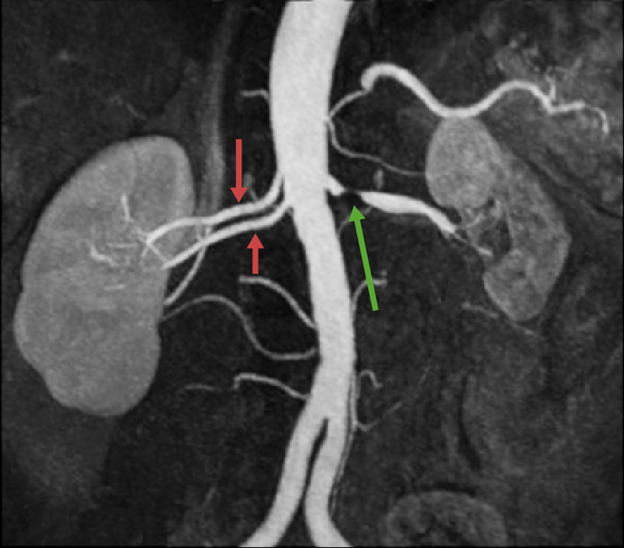
Renal artery stenosis (RAS) occurs when one or more of the arteries that carry blood to your kidneys become narrow. Narrowed arteries make it harder for oxygen-rich blood to travel from your heart to your kidneys. As a result, your kidneys may not be able to properly function, which can lead to other serious health complications. Here is what you should know about RAS before scheduling your next appointment with the trusted team at the Vascular Institute of the Rockies.
How Common is RAS?
RAS affects over 200,000 people in the United States every year. The majority of individuals who develop RAS also have atherosclerosis, a condition that causes sticky plaque to build up on the inside of your artery walls. Other factors that could make you more likely to be affected by RAS include:
- High blood pressure
- High cholesterol
- Diabetes
- Smoking
- Unhealthy diet
- Men over the age of 45 and women over the age of 55
- Obesity
What Are the Symptoms, Diagnosis, and Complications of RAS?
In most cases, RAS does not exhibit any noticeable signs or symptoms. Once it has progressed, RAS symptoms may include
- High blood pressure that is difficult to manage despite the use of blood pressure medication
- Signs of a problem with kidney function such as elevated protein levels in urine
- A whooshing sound that your doctor can hear when listening to your kidneys with a stethoscope
- Swelling of different body parts, such as your legs
If your healthcare provider suspects that you may have RAS, they will perform a series of tests to confirm the diagnosis. First, they will perform a physical exam, review your health history, and check your kidney function with blood and urine tests. Imaging studies may also be used such as:
- CT scan
- Ultrasound
- Renal arteriography
- Magnetic resonance angiography (MRA)
Possible complications from RAS include:
- Chronic kidney disease
- Kidney failure
- Retaining fluid in your legs
- Shortness of breath
- Renal hypertension (high blood pressure)
- Peripheral artery disease
What Happens If RAS Goes Untreated?
If left untreated, RAS can potentially worsen over time. The rate at which the disease can progress, and its prognosis will depend on how severe your condition is. For people whose renal arteries are almost totally blocked (95%), the four-year survival rate is only about 50%. For this reason, it is important to seek treatment as quickly as possible after experiencing symptoms or being diagnosed with RAS.
Treatment Options for RAS
Treatment options for RAS will depend on your particular symptoms, lifestyle, and overall health condition.
Possible RAS treatment options include:
- Making lifestyle changes: eating a balanced diet, limiting salt consumption, drinking more water, and exercising regularly can help keep your blood pressure under control.
- Taking medications: Diuretics, angiotensin-converting enzyme (ACE) inhibitors, beta-blockers, and other medications may help manage your blood pressure as well as other conditions contributing to RAS, such as atherosclerosis.
- Renal angioplasty and stenting: This procedure is performed to open up narrowed blood vessels and maximize blood flow to the kidney.
- Renal artery bypass surgery: This is an open surgical procedure that involves creating a new route for blood to flow from your heart to your kidney via a new conduit such as a bypass graft.
Schedule Your RAS Consultation at The CardioVascular Institute of the Rockies
When it comes to protecting the health of your renal arteries, there’s no time to waste. If you have been diagnosed with atherosclerosis, are experiencing RAS symptoms, or have a family history of cardiovascular disease, working with your healthcare provider to protect the well-being of your arteries is a good idea. The experienced team at the Vascular Institute of the Rockies is here to help you prevent, diagnose, and treat RAS. Conact us today to schedule your appointment and take the first step in living a longer, healthier life.
Read More from CardioVascular Institute of The Rockies
Who Is Most at Risk for Fibromuscular Dysplasia?
Keeping your blood vessels healthy is one of the most important steps you can take to live a long, healthy life. Along with eating a
What are the Complications of Endovascular Aneurysm Repair?
When your blood vessels aren’t healthy, your overall well-being is put into jeopardy. In fact, many vein and artery conditions can lead to life-threatening complications,
Can a DVT Go Away on Its Own? What You Need to Know
Being diagnosed with a blood clot can be a scary experience. While some blood clots are a normal part of your bodily function and will
What Does Claudication Feel Like? Causes and Symptoms
What does claudication feel like and what are the most common causes? When your arteries are not healthy, your overall quality of life can be
Geniculate Artery Embolization (GAE) for Knee Pain Relief
By Monika Neale, MS III GAE – POSSIBLE NEW SOLUTION FOR SOME KNEE PROBLEMS The network of the geniculate arteries comprises six arteries that supply
Arterial vs. Venous Ulcers of the Lower Extremity
By Monika Neale, MS III The two most common types of lower extremity wounds are venous and arterial ulcers. Although they may look and sound