
Deep Vein Thrombosis (DVT) occurs when blood thickens in a clump to form a blood clot in the deep veins. Typically, the blood clots form in the lower leg, thigh or pelvis, but can also occur in the arm or shoulder. DVT’s can happen to anyone and may lead to serious illness, disability and in some cases death. Although DVT’s are underdiagnosed and serious, they are usually preventable and treatable if discovered early.
Nearly 300,000 first-time cases of DVT occur in the U.S. every year, usually in the leg. (American Society for Vascular Surgery)
About half of people with DVT have no symptoms at all. (Centers for Disease Control and Prevention).
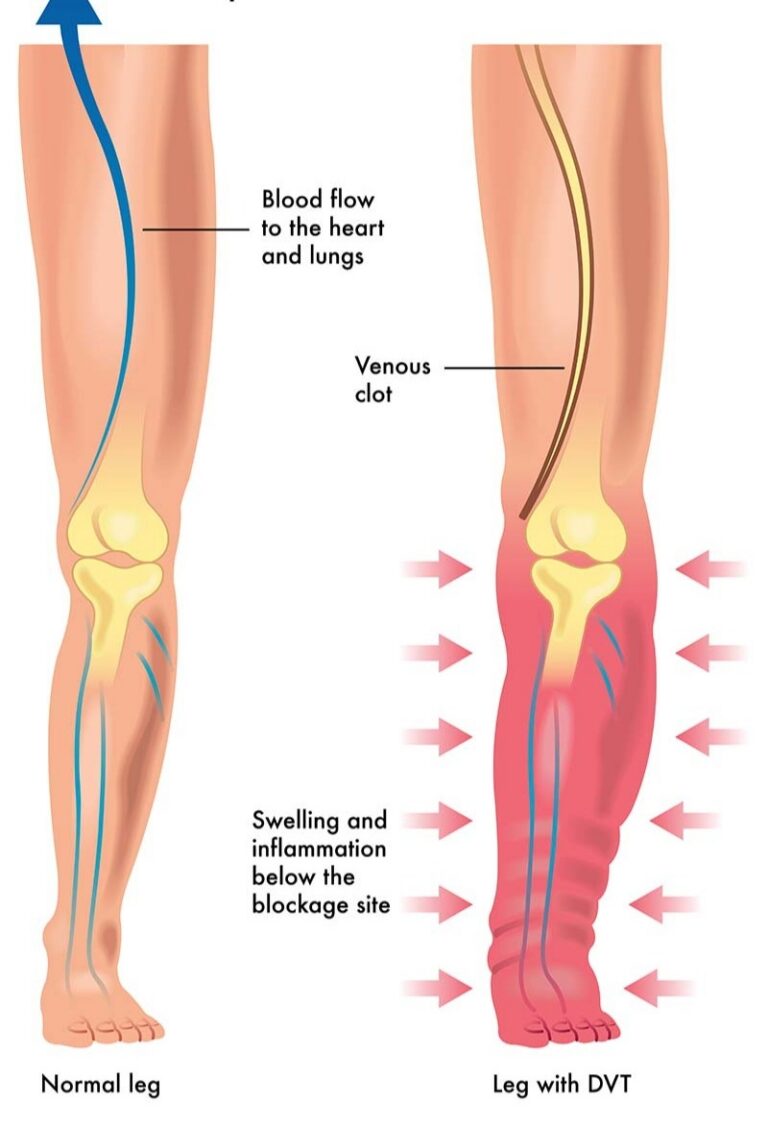
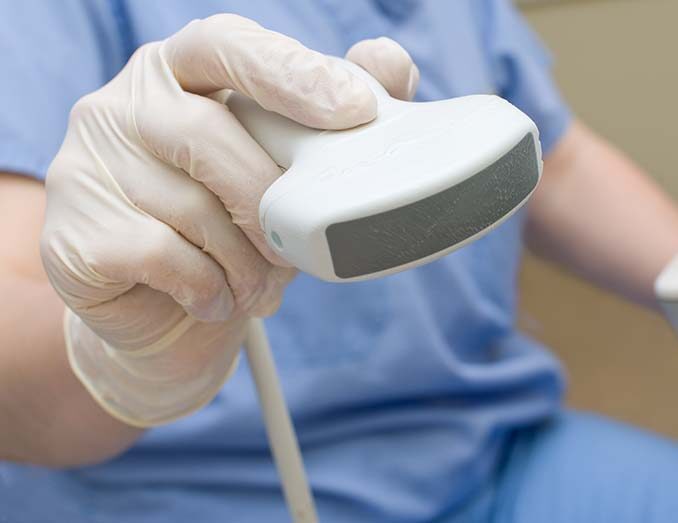
If you are concerned by a swollen extremity, a comprehensive evaluation that includes an ultrasound must be completed to properly detect blockages or blood clots in deep veins. A blood test, MRI, CT scan or contrast venography may also be used to diagnose blood clots.
Blood thinners or anticoagulants prevent the blood clot from progressing or breaking off and traveling to other part of the body. Blood clots will naturally and slowly be absorbed by the body and further risk of clots developing is greatly reduced.
In more severe cases, thrombolytics or “clot bustering drugs” may be used to dissolve the clot.
In rare cases, a surgical procedure called a thrombectomy may be necessary to remove the clot.
Endovascular Repair
This minimally invasive surgery involves an incision in each of the two groins so a device (a stent graft or a cylindrical metallic frame covered with a fabric), guided by x-ray, can be inserted into the aortic aneurysm. Once inserted in the proper position, the stent graft replaces the abnormally dilated section of aorta from within. Endovascular repair involves less operative stress on the body without a painful abdominal incision, less blood loss, a lower operative mortality, reduced length of hospital stay and a quicker recovery compared to open surgery.
Open Surgical Repair
This approach involves making an incision in the abdomen to expose the aortic aneurysm. Clamps are applied to the arteries above and below the aneurysm while the section of the abnormally enlarged artery is replaced by a synthetic tube or graft. Clamps are removed and blood flow is restored. This surgery boasts durable success, however it is a major surgery. Patients will spend 7-10 days in the hospital and typically return to their normal self in 2 to 3 months.
This advanced treatment aims to serve a large population suffering from DVT and PE, offering them effective solutions.
Deep Vein Thrombosis (DVT) occurs when blood thickens and forms a blood clot in the deep veins, usually in the lower leg, thigh, or pelvis, but it can also occur in the arm or shoulder.
Risk factors for DVT include injury to a vein, slow blood flow, increased estrogen levels, surgery, certain chronic medical illnesses such as cancers, previous DVT or pulmonary embolism, age, obesity, a catheter located in a central vein, inherited clotting disorders, and a sedentary lifestyle.
Common symptoms of DVT include swelling, pain, tenderness, and redness or warmth of the skin. However, about half of the people with DVT have no symptoms at all.
Diagnosis of DVT involves a comprehensive evaluation including an ultrasound to detect blockages or blood clots in deep veins. Blood tests, MRI, CT scan, or contrast venography may also be used to diagnose blood clots.
Treatment options for DVT include blood thinners or anticoagulants to prevent the clot from progressing or breaking off, thrombolytic therapy to dissolve the clot, and in severe cases, a surgical procedure called a thrombectomy to remove the clot. The Vascular Institute of the Rockies offers ClotTriever® and FlowTriever® systems for mechanical clot removal.
The duration of anticoagulation treatment for DVT varies depending on individual patients and their specific risk factors. Current guidelines suggest an extended treatment duration for patients with chronic risk factors, while those with reversible risk factors might require a shorter duration.
Far far away, behind the word mountains, far from the countries Vokalia and Consonantia, there live the blind texts. Separated they live in Bookmarksgrove right at the coast
Postthrombotic syndrome is a condition that can occur after DVT, characterized by pain, swelling, and in severe cases, skin ulcers in the affected limb.
Yes, there is a risk of blood clots recurring after treatment, especially if the underlying risk factors are not addressed. Secondary prevention strategies and adherence to clinical guidelines are crucial for managing and reducing this risk.
Current guidelines recommend that patients with cancer and DVT be treated with anticoagulants, considering their higher risk of blood clots. Oral anticoagulants or other forms of therapeutic anticoagulation are often part of the primary treatment, tailored to individual patients based on their medical history and active treatment needs.
Elderly patients should be aware that age increases the risk of developing DVT. Adhering to guidelines for extended treatment and secondary prevention can help manage this risk effectively.
Clinical trials provide evidence-based recommendations for DVT treatment. Randomized trials help establish the safety and efficacy of various treatments, including the use of oral anticoagulants and thrombolytic therapy for DVT.
For unstable patients with DVT, immediate medical attention is critical. Treatment may involve advanced interventions such as thrombolytic therapy or mechanical clot removal using systems like ClotTriever® or FlowTriever® to prevent serious complications like pulmonary embolism or severe venous thrombosis.
Blood vessels, specifically deep veins, are where DVT occurs. A clot in these vessels can obstruct blood flow, leading to various symptoms and potentially severe complications if not treated promptly.
Patients can reduce their risk of DVT by staying active, managing chronic illnesses, following medical guidelines, and addressing both reversible and chronic risk factors. Regular check-ups and following a physician's recommendations are also crucial for prevention.