By Monika Neale, MS III GAE – POSSIBLE NEW SOLUTION FOR SOME KNEE PROBLEMS The network of the geniculate arteries comprises six arteries that supply blood flowto the knee. The role of these arteries in various inflammatory processes havereceived a lot of attention lately, especially in the areas of recurrent hemarthrosisfollowing total knee arthroplasty (TKA) …
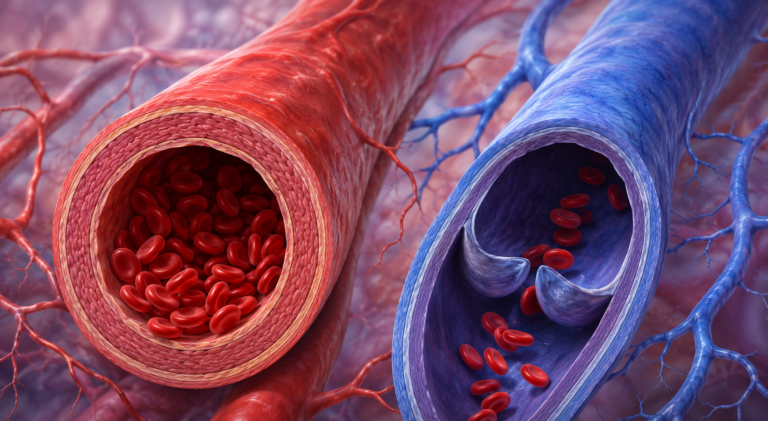
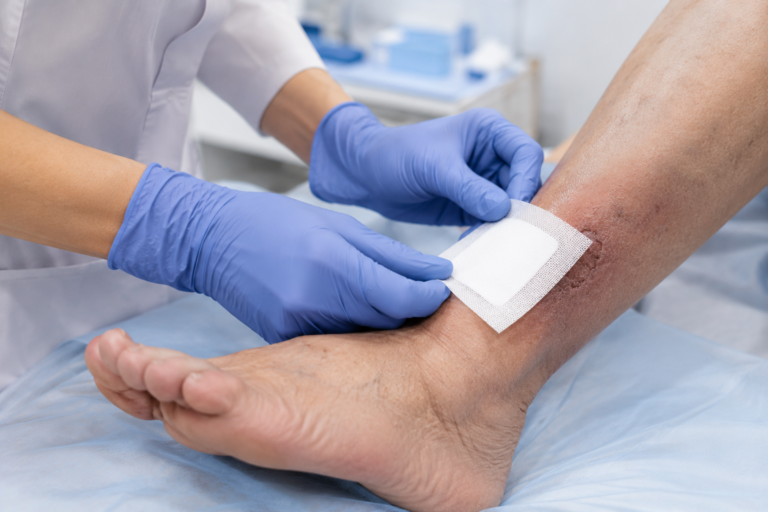
By Monika Neale, MS III The two most common types of lower extremity wounds are venous and arterial ulcers. Although they may look and sound similar, arterial ulcers and venous ulcers represent two distinct sets of concerns, and they require different treatment approaches. Arterial Ulcers: Arteries carry oxygenated blood and nutrients to all organs and …
By Timbre Backen, DO PGY2 Etiology: a chronic form of stasis dermatitis resulting from venous hypertension that causes increased capillary permeability and allows leakage of fibrinogen and erythrocytes into the dermis. Risk factors include age, immobility, obesity, smoking, and history of DVT or trauma to the venous system. Symptoms: Acute phase: painful erythema, typically at …
Authored by Spencer Cooper, OMS III Subclavian Steal Syndrome Explained Definition Subclavian steal syndrome is defined by neurologic symptoms such as dizziness, vertigo, or syncope and arterial disease symptoms such as arm claudication. caused by retrograde flow in one of the vertebral arteries. The retrograde flow usually develops as a result of stenosis or occlusion …
Adapted from Lymphedema (PDQ®)–Patient Version – National Cancer Institute Lymphedema Explained The lymphatic system is a system of lymph vessels and lymph nodes that carries lymph fluid from soft tissues throughout the body. This lymph fluid is comprised of a watery mixture containing immune system byproducts. When the lymph system flow becomes dysfunctional, the fluid …
By Nicolas Smith, MS III Guide to Acute Limb Ischemia Definition Ischemia is a term used to describe decreased blood flow to bodily tissues. This results in decreased oxygen delivery to the tissue, leading to damage and even tissue death. When ischemia happens very quickly and affects the blood vessels supplying an arm or a …
Authored by: Kailey Stiles, OMS III What is Raynaud’s Phenomenon? Raynaud’s phenomenon, also known as Raynaud Syndrome, is an exaggerated response to a normal physiologic process. This means that the body reacts as it is supposed to, but in an exaggerated way. Normally, when a healthy individual is exposed to cold temperatures the blood vessels …
Authored by: Elise Ewens, OMS III and Bryan Kramer, MD What is an aneurysm? Definition: A weakness in the wall of an artery that causes an abnormal dilation. When most people hear the word “aneurysm” they tend to think of the many complications associated with aneurysms listed below: Rupture This would be a surgical emergency. This hemorrhage …
Lower Extremity Bypass There are several indications for surgical intervention for peripheral artery disease. Some cases may be treated with minimally invasive techniques such as endovascular stenting and angioplasty. Other more complicated cases may require open interventions such as endarterectomy and/or bypass. While bypass surgery is a “real” operation, in many cases it can solve …
TCAR: Explained Carotid Artery Stenosis (CAS), or blockage in the carotid artery, is a considerable risk for strokes or TIAs. Trans Carotid Artery Revascularization, or TCAR, is a novel technique to treat CAS by accessing the common carotid artery via a small incision just above the collar bone. The older stenting technique requires access to the carotid artery …
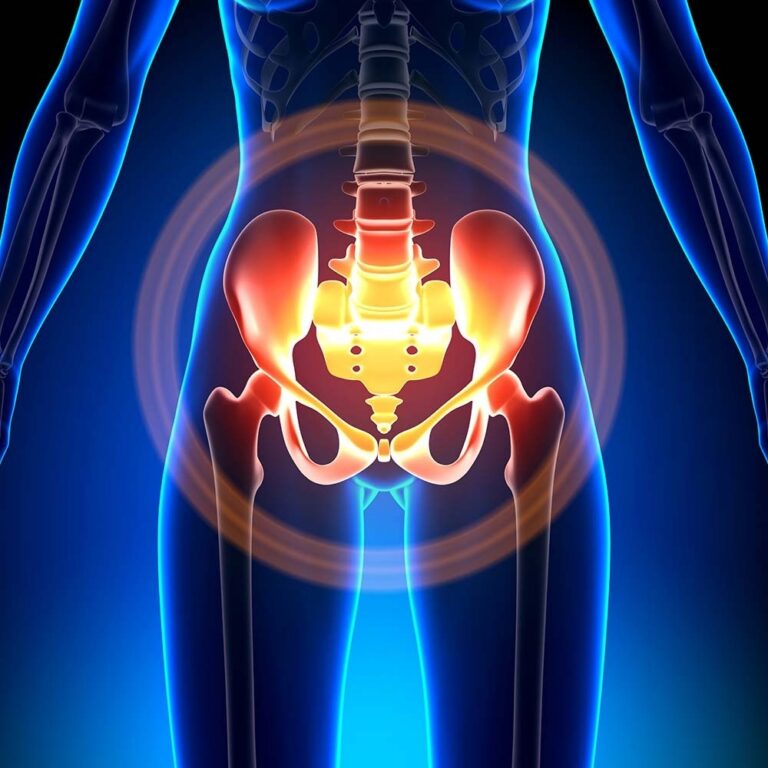
What is May-Thurner Syndrome? May-Thurner Syndrome is an anatomical abnormality in which the Left Iliac Vein is compressed by the Right Iliac Artery. Why does May-Thurner Syndrome Matter? Veins carry blood at much lower pressures than arteries. With the Right Iliac Artery so close, the Left Iliac Vein can be easily obstructed. Even partial obstructions …
Authored by Lauren Molchan, DPM R2 Peripheral Arterial Disease and Foot Wounds When do you suspect PAD in patients with wounds? · On physical exam, findings that would indicate PAD include wounds located on the tips of the toes or foot, wounds covered by black eschar or gangrenous changes, shiny atrophic skin, lack of pedal …
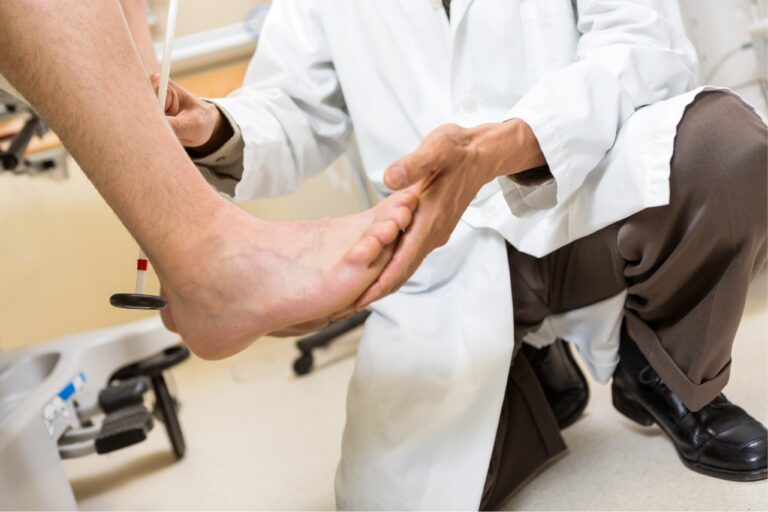
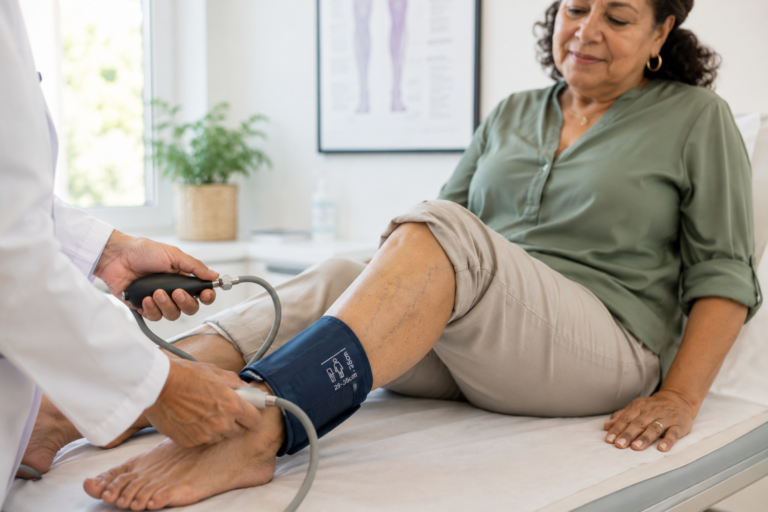
Authored by Maria Tran OMS III KCU Definition Narrowing and occlusion of the peripheral arteries due to atherosclerosis Screening and Diagnosis Clinical diagnosis can be initially made from an array of symptoms including: – resting pain, cramps, paresthesias distal to arterial occlusion– Absent or diminished pulses in the brachial, radial, femoral, popliteal, posterior tibial, dorsalis …
By Bryan Kramer, MD and Taylor Caddell, RVU MSIII Quick Review Abdominal aortic aneurysms are dilations of the abdominal aorta, usually occurring below the renal arteries and above the aortic bifurcation. Risk factors for AAA include male gender, advanced age, smoker or former smoker, hypertension, or a family history of AAA. Screening and Diagnosis AAAs …
Authored By: Dr. Bryan Kramer, MD and Grace Boyle, OMS-II What is Lower Extremity Chronic Venous Disease? Definition: Spectrum of lower extremity vein abnormalities that may be morphologic and/or functional in nature that lead to venous dilation May or may not be symptomatic Causes: Inadequate muscle pumps Incompetent venous valves (reflux) Venous thrombosis (clotting) Non-thrombotic …
What is Leriche Syndrome? Leriche Syndrome is a condition that manifests symptoms because of a blockage in arterial blood flow. This arterial occlusion is noted at the area of bifurcation, or division, of your aorta and common iliac arteries. Usually, this blockage is due to a plaque buildup, also known as atherosclerosis.Leriche Syndrome can be …