
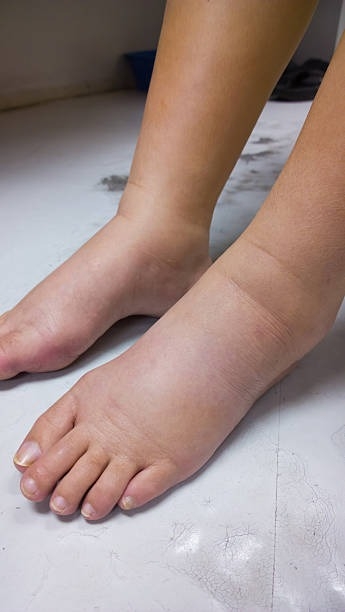
Unraveling Lymphedema: Causes, Risk Factors, and Treatment Options
Your lymphatic system is responsible for maintenance of fluids throughout your body. When your lymphatic system does not function properly, fluids can accumulate in certain areas of your body causing swelling. Lymphedema occurs when protein-rich fluid that is supposed to be drained by the lymphatic system builds up and causes an area to swell. While lymphedema most commonly affects the arms and legs, it can also develop in the neck, abdomen, or genitals.
Primary Lymphedema
Primary lymphedema is a condition that affects 1 out of 100,000 people in America. It is caused by rare conditions that are inherited. Primary lymphedema can develop at the following stages of life:
- Infancy: Babies may be born with a form of lymphedema known as Milroy’s disease.
- Puberty through the age of 35 or during pregnancy: This form of lymphedema is called Meige’s disease.
- After the age of 35: This rare form of lymphedema causes swelling exclusively in the legs.
Secondary Lymphedema
Unlike primary lymphedema, which is hereditary, secondary lymphedema occurs when your lymphatic system becomes damaged. Common causes of secondary lymphedema include:
- Trauma
- Surgery
- Radiation Therapy
- Chronic Venous Insufficiency
Secondary lymphedema can also develop in cancer survivors if the cancer cells block the flow of fluid from a particular lymph node or vessel.
Recognizing the Symptoms
In its earliest stages, lymphedema may not be noticeable. Typically, swelling is the first symptom that occurs. This can come on suddenly or increase slowly over time. Other signs of lymphedema include:
- Feeling tightness or heaviness in the affected area
- Thickening of the skin
- Frequent infections
It is best to schedule an appointment with your healthcare provider as soon as you notice one or more symptoms of lymphedema.
Risk Factors for Lymphedema
While lymphedema can affect anyone, certain risk factors can make you more likely to be affected by the condition. These include:
- Being overweight or obese
- Advanced age
- Psoriatic or rheumatoid arthritis
- Pregnancy
- Undergoing surgery
Diagnosis and Medical Evaluation
If you are exhibiting signs of lymphedema, do not wait to seek medical attention. Early diagnosis could mean a more effective treatment plan. Lymphedema is diagnosed by a healthcare provider using the following techniques:
- Reviewing medical history, including past surgeries
- Performing a physical exam
- Using imaging tests, such as a CT, ultrasound, or Lymphoscintigraphy. Specifically, Lymphoscintigraphy is used to identify how fluid is flowing throughout your body and assess whether something may be causing a blockage.
Conservative Treatment Approaches
The way in which lymphedema is treated depends on how severe the condition is, and which area of the body is being affected. For cases that are mild to moderate, conservative treatment approaches may be beneficial. These include:
- Complete Decongestive Therapy (CDT): This combines a variety of techniques such as using compression garments, manual drainage, and exercise to encourage the lymphatic system to work properly.
- Manual Lymph Drainage (MLD) Techniques: Special massages are used to move the fluid that is collecting in an area of the body to an area where lymph vessels are working as they should.
- Compression Garments: Elastic stockings or sleeves are worn over the affected leg or arm to help fluids drain and reduce swelling.
Advanced Treatment Options
More advanced treatment options may be appropriate for severe cases of lymphedema. Some of these could include:
- Liposuction: Remove hardened tissue that is impairing the function of the limb.
- Lymphaticovenous Anastomosis: Connect lymphatic vessels to veins to promote proper fluid drainage.
- Microsurgery and Lymph Node Transplantation: Moving healthy lymph nodes from one area of the body to the affected area.
Schedule an Appointment at The Vascular Institute
If you have been diagnosed with lymphedema or are showing signs of the condition, it is important to work closely with an experienced healthcare team to diagnose your symptoms. At The Vascular Institute of the Rockies, our trusted team is able to diagnose your lymphedema and help you coordinate a treatment plan that is tailored to your particular needs. Contact us today to schedule an appointment.
Read More from CardioVascular Institute of The Rockies
Who Is Most at Risk for Fibromuscular Dysplasia?
Keeping your blood vessels healthy is one of the most important steps you can take to live a long, healthy life. Along with eating a
What are the Complications of Endovascular Aneurysm Repair?
When your blood vessels aren’t healthy, your overall well-being is put into jeopardy. In fact, many vein and artery conditions can lead to life-threatening complications,
Can a DVT Go Away on Its Own? What You Need to Know
Being diagnosed with a blood clot can be a scary experience. While some blood clots are a normal part of your bodily function and will
What Does Claudication Feel Like? Causes and Symptoms
What does claudication feel like and what are the most common causes? When your arteries are not healthy, your overall quality of life can be
Geniculate Artery Embolization (GAE) for Knee Pain Relief
By Monika Neale, MS III GAE – POSSIBLE NEW SOLUTION FOR SOME KNEE PROBLEMS The network of the geniculate arteries comprises six arteries that supply
Arterial vs. Venous Ulcers of the Lower Extremity
By Monika Neale, MS III The two most common types of lower extremity wounds are venous and arterial ulcers. Although they may look and sound