Understanding Chronic Venous Insufficiency
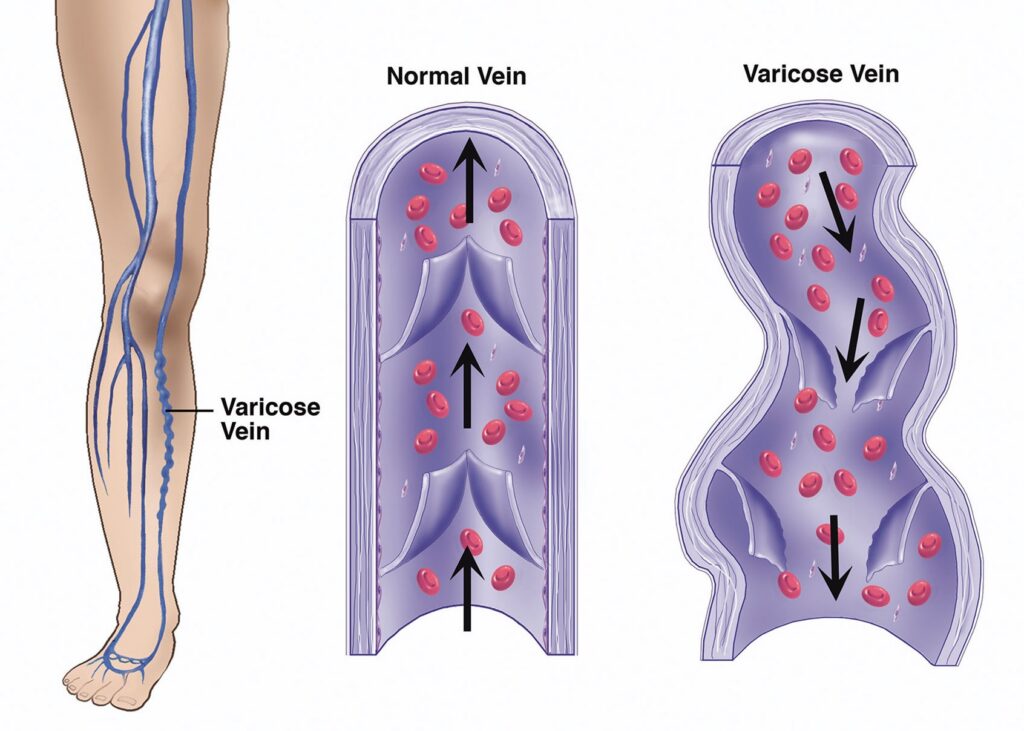
Chronic Venous Insufficiency (CVI) is a condition that occurs when the veins in your legs return blood to your heart as they should. When this happens, blood can flow backward and lead to pooling in your legs. It’s estimated that CVI affects up to forty percent of people in the U.S. and can cause a variety of uncomfortable symptoms including pain, heaviness and swelling. Here is what you should know about CVI in order to manage your symptoms and improve your quality of life.
Causes of Chronic Venous Insufficiency
Common causes of CVI include:
- Prolonged standing or sitting
- Deep vein thrombosis (DVT)
- Obesity
- Pregnancy and hormonal changes
- Family history and genetic factors
Risk Factors for Chronic Venous Insufficiency
Certain factors could make you more likely to be affected by CVI. These include:
- Age: People over the age of 50 have an increased risk
- Gender: Women are more likely to develop CVI than men
- Lifestyle: Smoking, poor diet, and inactivity make you more susceptible to developing CVI
Signs and Symptoms of Chronic Venous Insufficiency
The symptoms of CVI can vary from person to person. While some individuals’ symptoms may be mild, others can be severe and even disabling. Common CVI symptoms include:
- Swelling in the affected areas
- Varicose veins
- Leg pain, heaviness, and fatigue
- Skin changes and ulcers
If you notice one or more of these symptoms, be sure to schedule a consultation with your healthcare provider to get your symptoms under control and prevent the condition from worsening.
Complications Associated with Chronic Venous Insufficiency
While CVI is not considered to be life-threatening, it can have a negative impact on the way you look and feel. CVI can lead to complications that can make performing normal daily activities difficult. These complications could include:
- Venous ulcers
- Skin infections and cellulitis
- Blood clots (both superficial and deep)
Treatment Options
If your healthcare provider suspects that you could have CVI, they will diagnose you by performing a physical exam and vein ultrasound. In most cases, CVI can be effectively managed with a combination of lifestyle changes and compression therapy. The primary goal of CVI treatment is to promote healthy blood flow from your legs to your heart, which can alleviate symptoms, including swelling and pain.
Lifestyle factors that could be used to treat CVI include:
- Elevating legs throughout the day
- Maintaining a healthy weight
- Exercising regularly
- Wearing compression stockings
- In more severe cases a more invasive procedure may be recommended.
Prevention
Because CVI is often caused by other health conditions or genetics, there may not be anything you can do to fully prevent it from developing. However, it is possible to minimize your chances of developing CVI by making healthy lifestyle choices, including:
- Maintaining a healthy weight
- Exercising regularly
- Not smoking
- Not standing or sitting for extended periods of time, and if you must do so, use compression stockings if you have no medical conditions prohibiting their use.
Schedule Your Appointment at The Vascular Institute Today
Living with CVI is not always easy. If you are tired of struggling with the discomfort and inconvenience of painful, swollen veins, help is available. At The Vascular Institute of the Rockies, our experienced team can assist you in keeping your symptoms under control and improving your quality of life by promoting healthy blood flow in your legs. To learn more about keeping your vascular system healthy and managing CVI, contact us today to schedule an appointment.
Read More from CardioVascular Institute of The Rockies
Who Is Most at Risk for Fibromuscular Dysplasia?
Keeping your blood vessels healthy is one of the most important steps you can take to live a long, healthy life. Along with eating a
What are the Complications of Endovascular Aneurysm Repair?
When your blood vessels aren’t healthy, your overall well-being is put into jeopardy. In fact, many vein and artery conditions can lead to life-threatening complications,
Can a DVT Go Away on Its Own? What You Need to Know
Being diagnosed with a blood clot can be a scary experience. While some blood clots are a normal part of your bodily function and will
What Does Claudication Feel Like? Causes and Symptoms
What does claudication feel like and what are the most common causes? When your arteries are not healthy, your overall quality of life can be
Geniculate Artery Embolization (GAE) for Knee Pain Relief
By Monika Neale, MS III GAE – POSSIBLE NEW SOLUTION FOR SOME KNEE PROBLEMS The network of the geniculate arteries comprises six arteries that supply
Arterial vs. Venous Ulcers of the Lower Extremity
By Monika Neale, MS III The two most common types of lower extremity wounds are venous and arterial ulcers. Although they may look and sound