Article & News

Author: Adam Lingo

A physician explains TCAR to a patient from his desk.
Providers

Trans Carotid Artery Revascularization

TCAR: Explained Carotid Artery Stenosis (CAS), or blockage in the carotid artery, is a considerable risk for strokes or TIAs. Trans Carotid Artery Revascularization, or TCAR, is a novel technique to treat CAS by accessing the common carotid artery via a small incision just

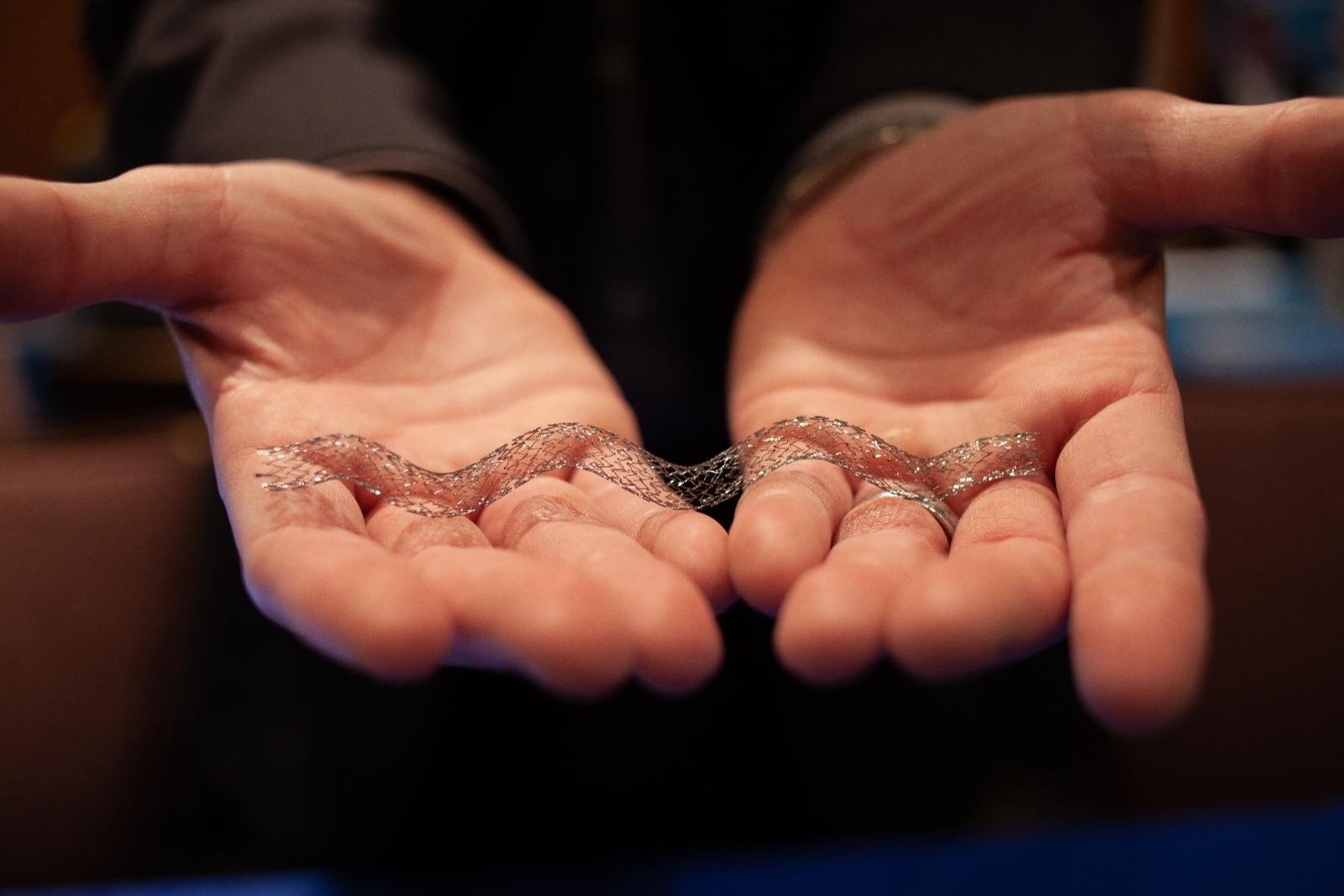
Two doctors hands hold out a stent used for vascular surgery.
May-Thurner Syndrome

May-Thurner Syndrome & Venous Stenting

What is May-Thurner Syndrome? May-Thurner Syndrome is an anatomical abnormality in which the Left Iliac Vein is compressed by the Right Iliac Artery. Why does May-Thurner Syndrome Matter? Veins carry blood at much lower pressures than arteries. With the Right Iliac Artery

Surgical tools laid out on a stand next to an active surgery.
EVAR

A Patient’s Guide to Endovascular Aneurysm Repair (EVAR)

What is Endovascular Aneurysm Repair (EVAR)? Endovascular Aneurysm Repair (EVAR) is a minimally invasive method to repair an abdominal aortic aneurysm (AAA). It is performed by first creating a small incision or puncture in the groin to access the underlying artery. A

Close view of a vascular surgeon smiling for the camera wearing a green cap and mask.
Patients

What is a Vascular Surgeon?

Vascular Surgeon Description: 5-7 years of training after medical school specializing in learning about all aspects of peripheral vascular disease. Vascular Surgeons treat all arteries and veins EXCEPT the ASCENDING AORTA and the HEART, which are the areas of expertise of cardiac

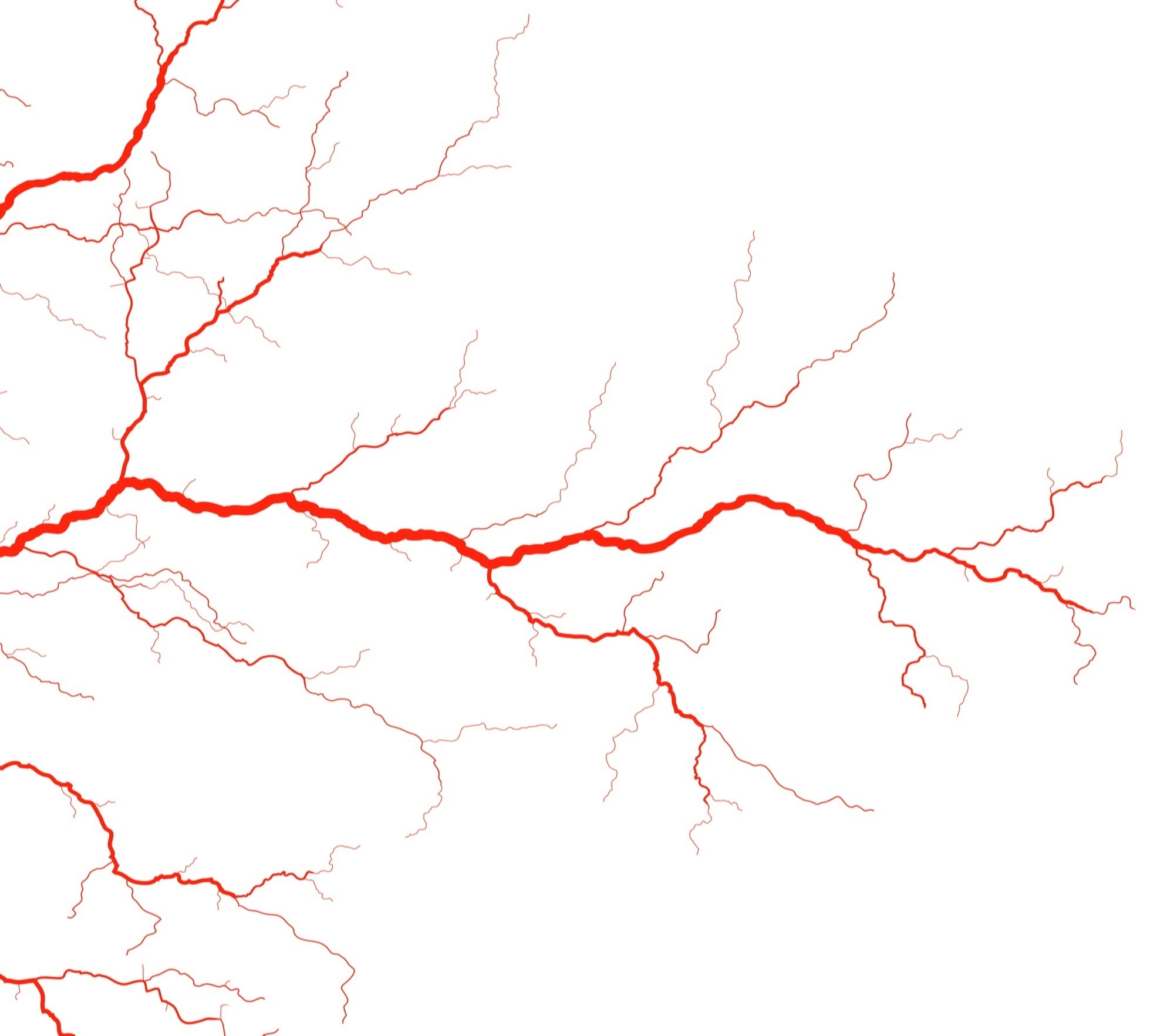
Rest pain blood vessels on a white background.
Patients

Rest Pain

Authored by Bryan C. Kramer, MD Rest Pain Rest Pain occurs when the amount of arterial blood flow and oxygen that can be delivered to the tissues is SO MINIMAL, that the muscles and other tissues hurt even when they are not

Peripheral Arterial Disease

Peripheral Arterial Disease and Foot Wounds

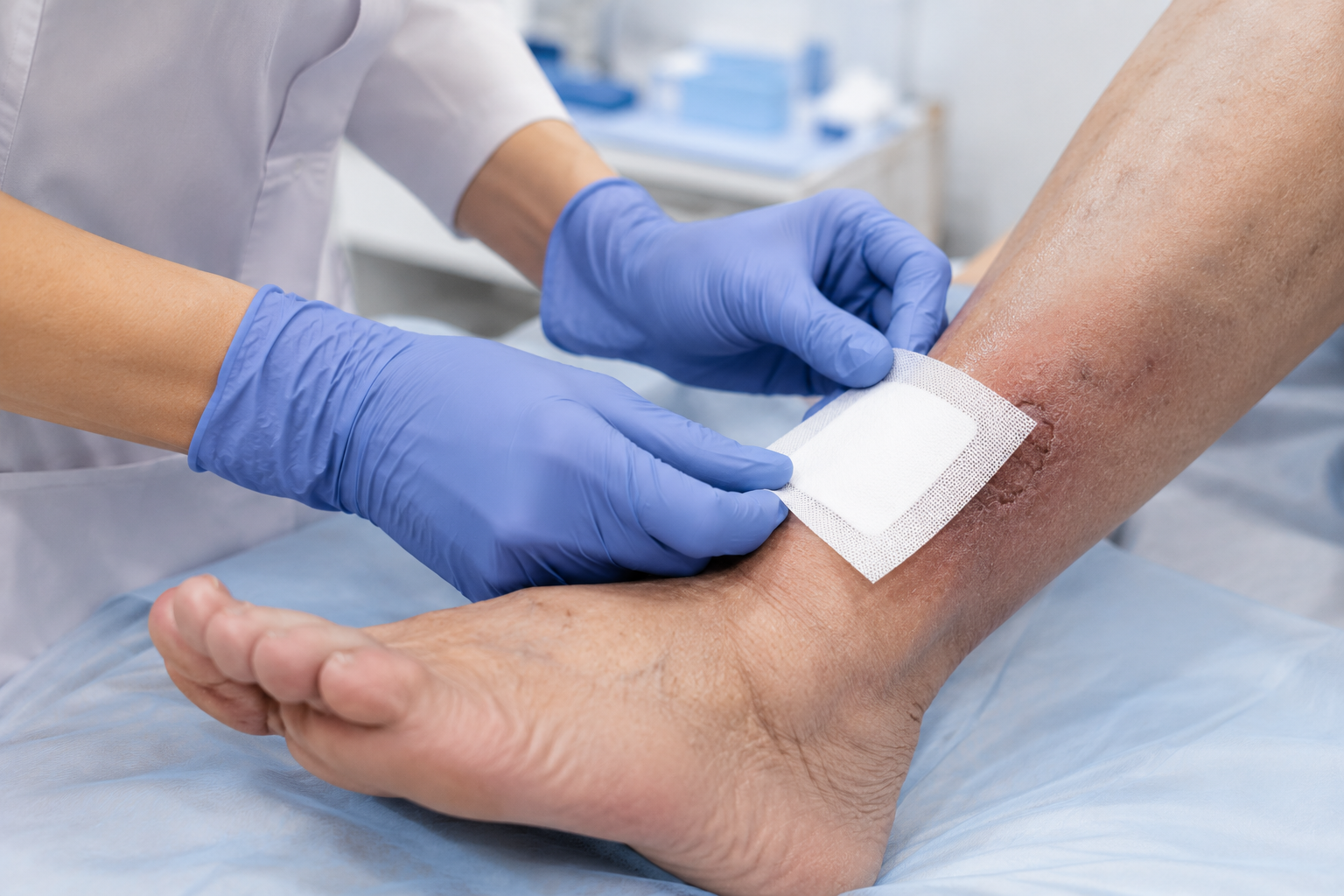
Authored by Lauren Molchan, DPM R2 Peripheral Arterial Disease and Foot Wounds When do you suspect PAD in patients with wounds? · On physical exam, findings that would indicate PAD include wounds located on the tips of the toes or foot, wounds

A woman's hands cradle her foot and ankle area while sitting on a wood floor.
Peripheral Arterial Disease

Peripheral Arterial Disease

Authored by Maria Tran OMS III KCU Definition Narrowing and occlusion of the peripheral arteries due to atherosclerosis Screening and Diagnosis Clinical diagnosis can be initially made from an array of symptoms including: – resting pain, cramps, paresthesias distal to arterial occlusion–

Arterial vs. Venous Ulcers

Arterial vs. Venous Ulcers

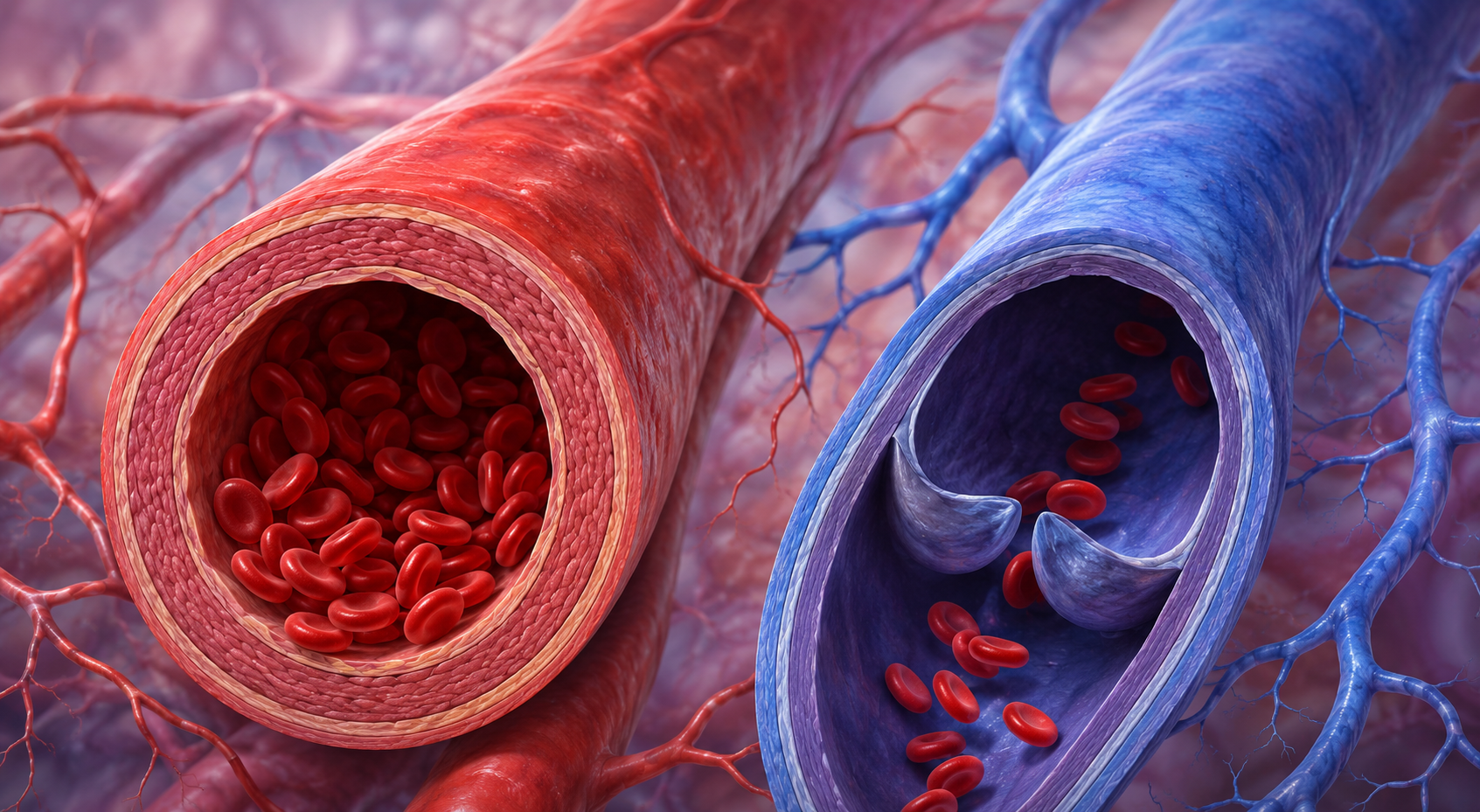
Authored by Bryan C. Kramer, MD Arteries bring oxygenated blood from the heart to the tissues Veins return blood to the heart Limb Threatening Condition- Leg loss above/below knee if untreated NON-Limb Threatening Condition Typical wounds begin at toes and progress up

A woman's hands cradle her foot and ankle area while sitting on a wood floor.
Patients

Peripheral Artery Disease (PAD)

Authored by Grace Kim MSIII, Kameron Black MSIII, Rutit Pak MSIII, Andi Garcia MSIII and Bryan C. Kramer, MD Peripheral Artery Disease (PAD) Peripheral artery disease (PAD) is the narrowing and restriction of blood flow to all parts of the body excluding