Article & News

Author: Adam Lingo

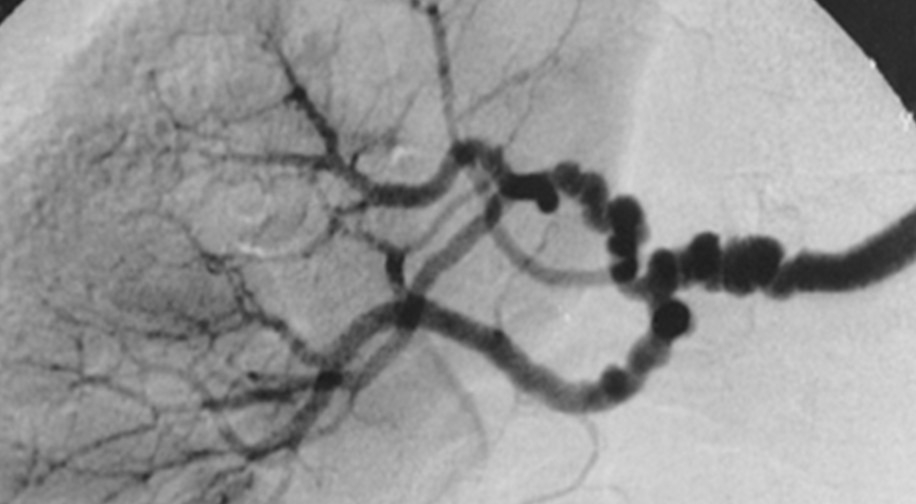
X-ray scan of unhealthy blood vessels due to fibromuscular dysplasia.
Fibromuscular Dysplasia

Who Is Most at Risk for Fibromuscular Dysplasia?

Keeping your blood vessels healthy is one of the most important steps you can take to live a long, healthy life. Along with eating a balanced diet and staying active, it’s important to seek professional medical care when you notice any abnormal
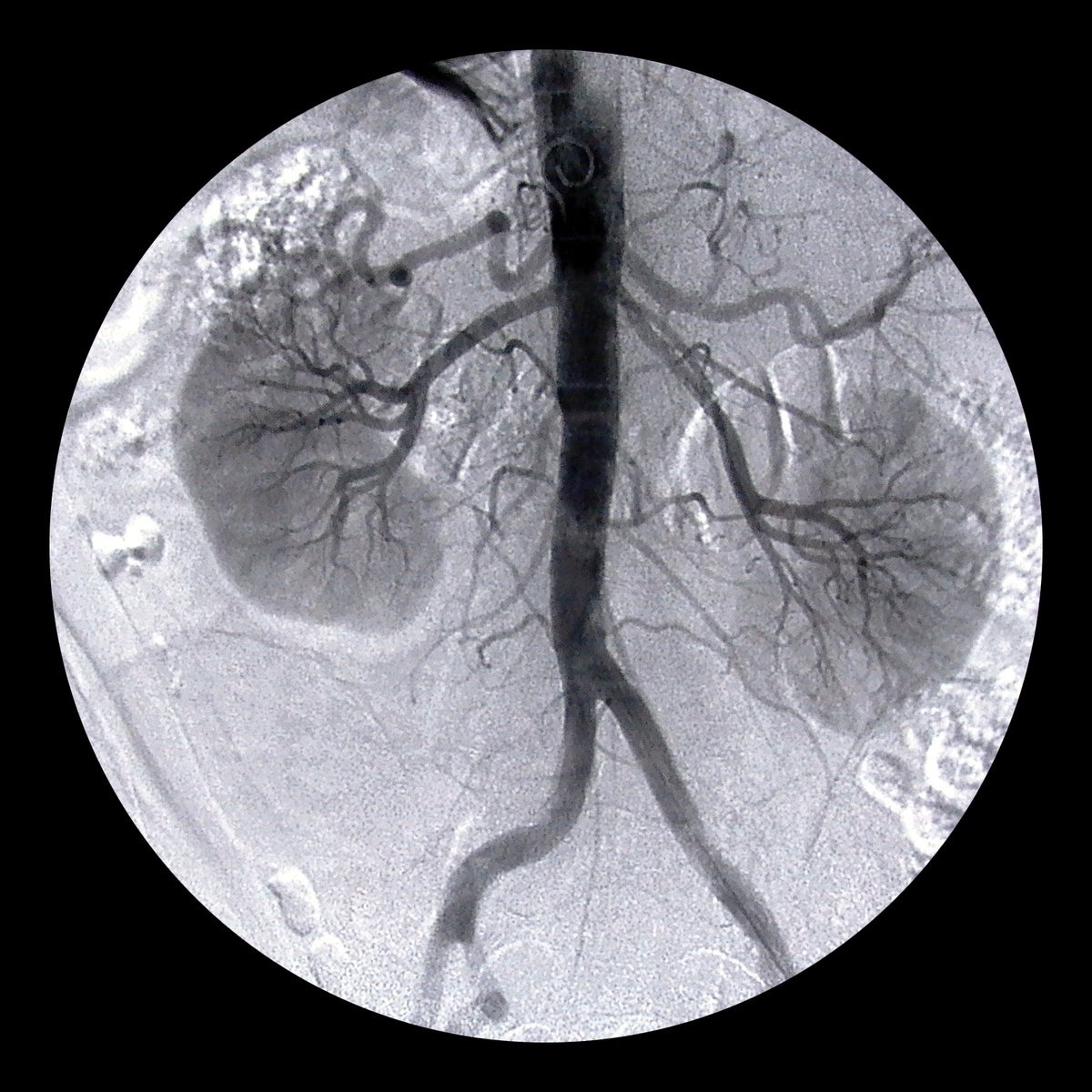
X-ray scan of EVAR.
EVAR

What are the Complications of Endovascular Aneurysm Repair?

When your blood vessels aren’t healthy, your overall well-being is put into jeopardy. In fact, many vein and artery conditions can lead to life-threatening complications, such as an aortic aneurysm. The good news is that there are steps you can take to

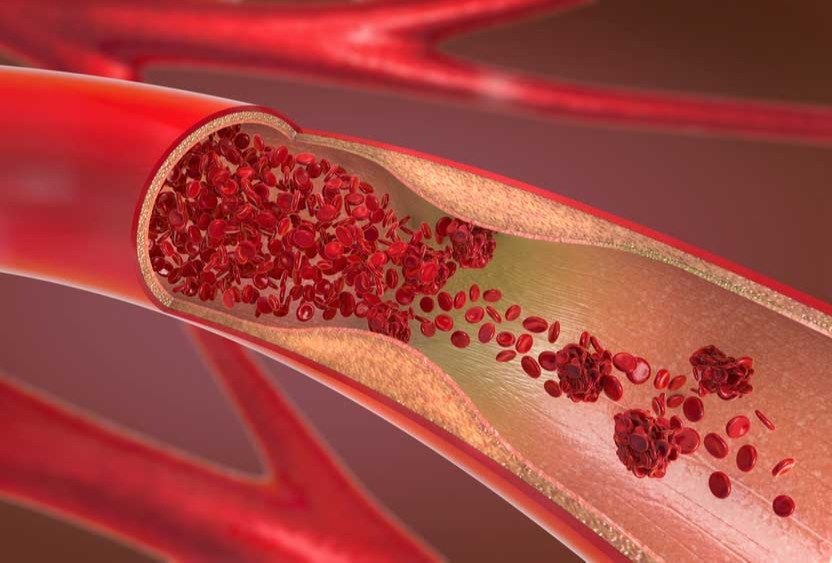
Animated view and close-up of a blood clot in the bloodstream.
Patients

Can a DVT Go Away on Its Own? What You Need to Know

Being diagnosed with a blood clot can be a scary experience. While some blood clots are a normal part of your bodily function and will resolve on their own, others are more serious and can even become fatal if left untreated. If

Claudication - doctor checks on patient's leg pain.
Claudication

What Does Claudication Feel Like? Causes and Symptoms

What does claudication feel like and what are the most common causes? When your arteries are not healthy, your overall quality of life can be affected. Having poor circulation or damaged blood vessels can make it harder to perform normal daily activities,

Surgeons in masks and caps stand side to side and smile for the camera in the operating room.
GAE

Geniculate Artery Embolization (GAE) for Knee Pain Relief

By Monika Neale, MS III GAE – POSSIBLE NEW SOLUTION FOR SOME KNEE PROBLEMS The network of the geniculate arteries comprises six arteries that supply blood flowto the knee. The role of these arteries in various inflammatory processes havereceived a lot of

A doctor kneels down to hold a patient's foot and examine it.
Arterial vs. Venous Ulcers

Arterial vs. Venous Ulcers of the Lower Extremity

By Monika Neale, MS III The two most common types of lower extremity wounds are venous and arterial ulcers.  Although they may look and sound similar, arterial ulcers and venous ulcers represent two distinct sets of concerns, and they require different treatment

Providers

Lipodermatosclerosis: Symptoms, Causes & Treatment

By Timbre Backen, DO PGY2 Etiology: a chronic form of stasis dermatitis resulting from venous hypertension that causes increased capillary permeability and allows leakage of fibrinogen and erythrocytes into the dermis. Risk factors include age, immobility, obesity, smoking, and history of DVT

A man reaches on the back of his leg from a pulled hamstring.
Patients

Popliteal Artery Aneurysms: Symptoms, Risks & Treatment

Authored by Jonathan Staheli, KCU-OMS III Popliteal Artery Aneurysms: Clinical Presentation and Management Popliteal artery aneurysm (PAA) is the dilation and thinning of the popliteal artery which can occur at any point in the posterior distal thigh or knee. The ballooning of

Patients

Carotid Body Tumor: Symptoms, Diagnosis & Treatment

Authored by Savanna Rosenbaum – OMS III What is a Carotid Body Tumor? A carotid body tumor is a growth in your neck located next to the carotid artery, which is the vessel that carries blood to parts of your brain and

Older adults monitor their health while taking blood pressure in their home.
Providers

Subclavian Steal Syndrome

Authored by Spencer Cooper, OMS III Subclavian Steal Syndrome Explained Definition Subclavian steal syndrome is defined by neurologic symptoms such as dizziness, vertigo, or syncope and arterial disease symptoms such as arm claudication. caused by retrograde flow in one of the vertebral