
Interventional cardiology is a specialized branch of cardiology that uses thin, flexible tubes called catheters to diagnose and treat cardiovascular disease. These procedures are commonly used to open blocked arteries, improve circulation, repair structural heart issues, and restore healthy blood flow throughout the body.
Unlike open-heart surgery, interventional cardiology procedures are minimally invasive and often allow patients to return home sooner with less downtime.
If you experience sudden chest pain, severe shortness of breath, or signs of a heart attack, seek emergency medical attention immediately.
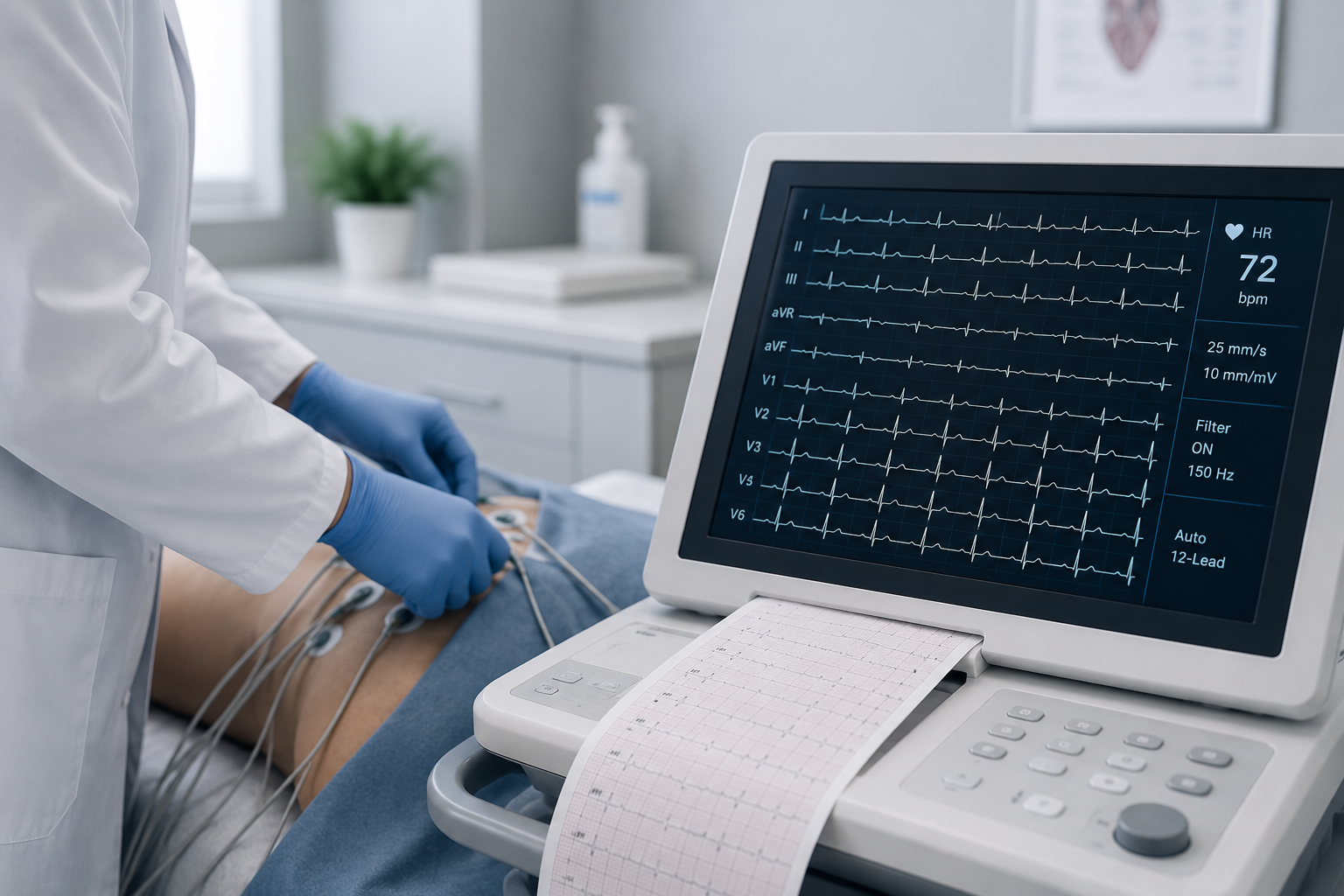
Our providers perform comprehensive cardiovascular evaluations to determine the best treatment approach for each patient. Diagnostic testing may include:
These tests help identify narrowed arteries, blocked blood vessels, structural heart concerns, and circulation problems.
Balloon angioplasty is used to open narrowed or blocked arteries and improve blood flow. During the procedure, a small balloon attached to a catheter is guided to the blocked area and inflated to compress plaque against the artery wall.
After angioplasty, a stent may be placed inside the artery to help keep it open and maintain healthy blood flow. Stents can significantly reduce the risk of future blockages.
These minimally invasive procedures help restore circulation in arteries outside the heart, commonly in the legs. Atherectomy removes plaque buildup while angioplasty widens narrowed blood vessels.
Endovascular treatments are used to manage vascular disease and circulation problems using catheter-based techniques. These procedures often result in shorter recovery times and less discomfort.
Structural heart procedures are designed to treat abnormalities in the heart’s structure without open-heart surgery. These may include treatment for valve disease, ASD closure, PFO closure, and other structural conditions.
Electrophysiology procedures diagnose and treat irregular heart rhythms (arrhythmias). Treatments may include catheter ablation or implantation of specialized cardiac devices.
At Cardiovascular Institute of the Rockies, we combine advanced cardiovascular technology with compassionate, personalized care. Our interventional cardiology specialists work closely with each patient to develop treatment plans tailored to their individual needs and goals.
Our team is committed to:
For more than 30 years, Cardiovascular Institute of the Rockies has specialized in diagnosing and treating complex cardiovascular and vascular conditions throughout the Denver metro region. Our providers remain dedicated to offering safe, effective, and innovative treatment options focused on improving patient outcomes.
Interventional cardiology is a specialty focused on diagnosing and treating heart and vascular conditions using minimally invasive catheter-based procedures.
Interventional cardiology may be used to treat blocked arteries, coronary artery disease, peripheral artery disease, heart valve conditions, structural heart defects, and circulation disorders.
Angioplasty is a minimally invasive procedure that uses a small balloon to open narrowed or blocked arteries and improve blood flow.
A stent is a small mesh tube placed inside an artery to help keep it open after angioplasty.
Yes. Most interventional cardiology procedures are performed through small incisions using catheters instead of traditional open surgery.
Recovery time varies depending on the procedure and the patient’s overall health, but many minimally invasive procedures allow for shorter hospital stays and faster recovery.
Cardiac catheterization is a diagnostic procedure that uses a catheter to evaluate blood flow, heart function, and artery blockages.
Yes. Procedures such as angioplasty and stenting can restore blood flow to blocked arteries and reduce the risk of heart attack.
Your provider will review your medical history, symptoms, test results, and treatment goals before recommending a personalized care plan.
You may be referred to an interventional cardiologist if you have chest pain, blocked arteries, circulation problems, heart valve disease, or abnormal cardiovascular testing results.